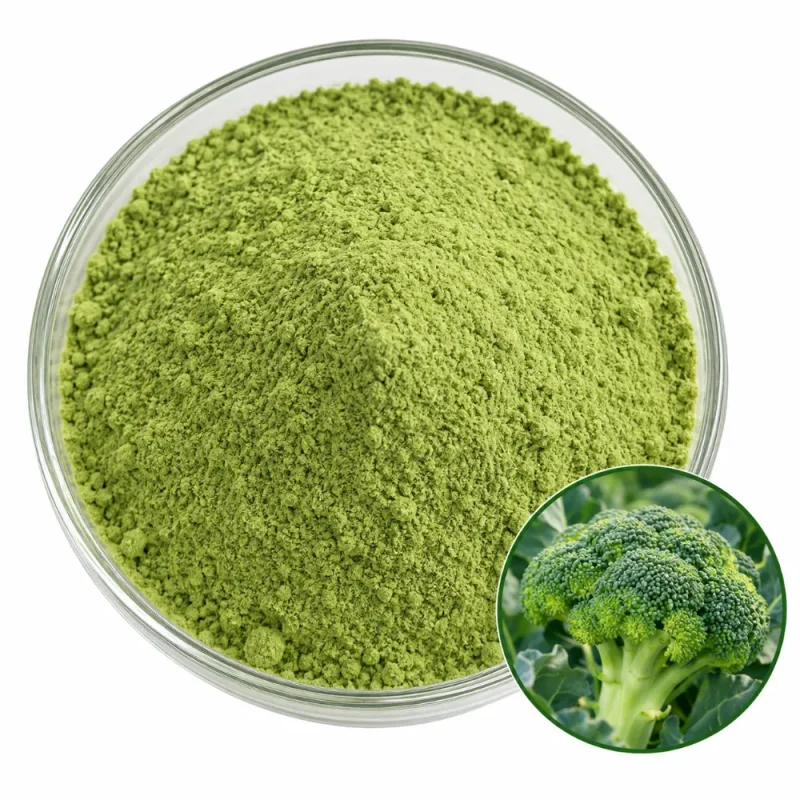
Beetroot Juice Powder

Pressed juice from the red storage root of Beta vulgaris is concentrated, blended with maltodextrin and spray-dried to give beetroot juice powder. It is a purple red, water-soluble powder with a sweet, earthy taste. Leaves, stems and the pale sugar beet of the same species are not used.

The carrier gives a free-flowing powder that dissolves in cold liquid, and the juice route removes most of the root fiber. It is a juice powder, not a dehydrated or freeze-dried root powder, so it is used where color and a mild beet flavor must dissolve cleanly.

Beetroot Juice Powder Processing

The species is Beta vulgaris L., a plant of the amaranth family, Amaranthaceae, in which red beet, sugar beet, fodder beet and Swiss chard are the same species bred for different organs. The part used here is the swollen, deep red root of garden beet. A product called beet powder can come from any of those forms, so the species and the part define this product.

The raw material is beetroot juice concentrate. Roots are washed, crushed and pressed, and the juice is concentrated by evaporation. It is then blended with maltodextrin and atomized in a spray dryer. The carrier dries the sticky, sugar-rich concentrate into a powder, protects the pigment from air and lightens the color from deep crimson to purple red. Because the fiber stays behind in the press cake, the powder dissolves with little residue, which sets it apart from the dehydrated root.

Beetroot Color, Flavor & Composition

FormWhat It IsChoose It When
Spray-Dried Beet JuicePressed juice concentrate dried on a maltodextrin carrierA soluble, fiber-free beet color and flavor is wanted
Beetroot PowderDehydrated, milled root with fiberThe whole root, fiber included, is the ingredient
Freeze-Dried Beetroot PowderRoot freeze-dried and milledA brighter color and fresher aroma than hot-air drying
Beet Root Extract Powder10:1 ratio extract of the rootA compact extract without a juice carrier is needed

Color comes from betalains, a family of nitrogen-containing pigments that is unrelated to anthocyanins. The red-violet betacyanins, mainly betanin, dominate in beetroot, with minor yellow betaxanthins beside them. Betalains hold their color best in a weakly acidic to neutral range and fade with heat, light and oxygen. Beetroot is also known as a nitrate-bearing vegetable, a plain description of its composition, and its sugars and the earthy aroma compound geosmin shape the flavor.

The taste is sweet and earthy, and the earthy note is stronger in products made from unpeeled root. Beetroot juice powder is milder than the root powder because the pressing step leaves much of the skin and fiber behind, and the carrier softens the impression further.

Composition follows the same logic. The juice carries the soluble fraction of the root: sugars, organic acids, salts, the pigments and the flavor compounds. It does not carry the insoluble fiber, so the powder contributes color and taste but little bulk or texture. A formulator who wants the fiber of the vegetable in the finished food should look at the dehydrated or freeze-dried root, and one who needs only color and a hint of beet flavor will find the juice powder the cleaner choice.

Typical Specifications

Specification ItemProduct Information
Latin NameBeta vulgaris
Plant PartRoot & Rhizome
ProcessingSpray-Dried Juice
Common NameBeetroot, red beet
Raw MaterialBeetroot juice concentrate
Ingredient TypeJuice Powder
CarrierMaltodextrin
AppearancePurple Red powder
FlavorSweet, earthy
Solubility / DispersibilityWater Soluble
Quality Parameters
Moisture (LOD)≤5.0%
Heavy MetalsLead ≤2 ppm · Arsenic ≤1 ppm · Cadmium ≤1 ppm · Mercury ≤0.1 ppm
MicrobiologyTPC ≤10,000 cfu/g · Yeast & Mold ≤1,000 cfu/g · E. coli Negative · Salmonella Negative/25 g
Shelf Life24 months in unopened original packaging, cool and dry storage

Application Areas

Drink Powders and Stick Packs

Beetroot juice powder dissolves in cold water to a clear magenta red, so it fits drink sticks and ready-to-mix beverages that need color and a mild vegetable sweetness. A citrus or berry flavor masks the earthy note, and the pH of the finished drink should stay mildly acidic.

Sauces, Soups and Seasoning Blends

Savory blends use beetroot juice powder for a red color in tomato-style sauces, soups and rubs. The powder is dry-blended with salt and spices, and it is added late in the heating step because long cooking dulls the red toward brown.

Pasta and Noodle Coloring

Pasta and noodle makers add the powder at the flour stage for a pink to red dough. The color survives gentle drying better than boiling, so the cooked product is paler than the raw dough, and a trial run sets the dose for the target shade.

Plant-Based Foods and Bakery

Plant-based patties, doughs and fillings use beetroot powder as a red color, including meat-style products that turn from red to brown on cooking. In baked goods, high oven temperatures bleach the pigment, so it suits fillings and icings more than the crust.

Handling Notes

Beetroot juice powder is hygroscopic, as most spray-dried juice powders are, and humid air turns it into a sticky, darker cake. Keep containers closed, use dry scoops and weigh in a controlled room. The pigment is sensitive to light, so the powder should be kept in opaque liners and the finished goods protected from light where the color matters.

Betalain stability depends on conditions in the formula. Weakly acidic to neutral bases hold the red best, strong acid or alkali shifts it, and iron or copper ions speed the loss, so stainless steel and demineralized water protect the shade. Heat is the usual cause of fading in processed foods, so the powder goes in as late as the process allows. Citric acid or ascorbic acid can slow the loss in drinks, although the effect depends on the formula and is judged in a trial with the real base. Compare each lot with a retained sample for color and solubility.

Dissolving beetroot juice powder is quick, but a few habits keep it clean. Sprinkle it into stirred liquid, or pre-blend it with sugar or salt, so the carrier wets before lumps form. A solution that is too concentrated looks nearly black at first and shows its red only on dilution, so judge the color at the final use level. Dry blends should be sealed soon after mixing, because the first sign of moisture pickup is a darker, stickier surface layer.

Packaging & Commercial Supply

Essencefield supports product evaluation, formulation trials, commercial orders, and ongoing ingredient supply. Packaging, storage, and shipping arrangements are determined by product characteristics, order quantity, stability requirements, and destination-market needs.

Supply ItemGeneral Information
SampleAvailable upon request for formulation, testing, and supplier evaluation
Order Quantities100 g · 1 kg · 5 kg · 25 kg · 100 kg · 500 kg · Bulk
Sample Lead TimeTypically 5–7 days after sample confirmation
Production Lead TimeTypically 15–30 days after order and specification confirmation
PackagingSuitable protective inner packaging with bags, cartons, drums, or other appropriate outer packaging
StorageStore in tightly sealed, suitable protective packaging in a cool, dry environment. Protect from moisture, heat, and direct sunlight. Specific storage conditions follow the approved product specification.
DocumentationCOA · Product Specification · TDS · SDS · Applicable declarations (as applicable)

Final order quantities, lead times, packaging, documentation, and shipping arrangements are confirmed according to the selected product and commercial requirements.

Request Ingredient Specifications & Quote

Share your target specification, application, quantity, and documentation needs. We’ll help confirm suitable options, samples, and commercial supply details.