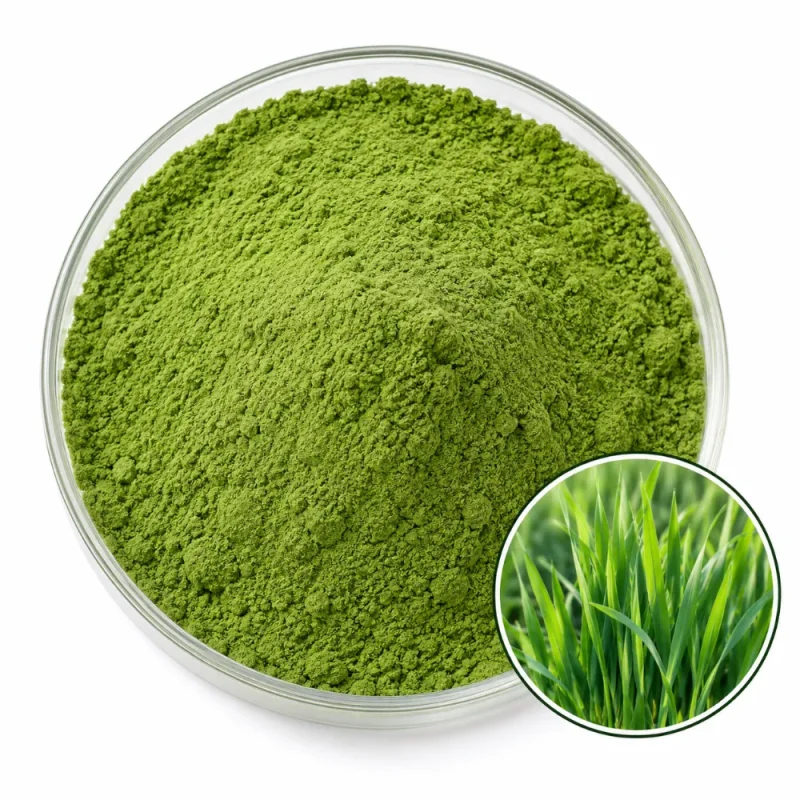
Triticum aestivum Raw Material & Plant Part
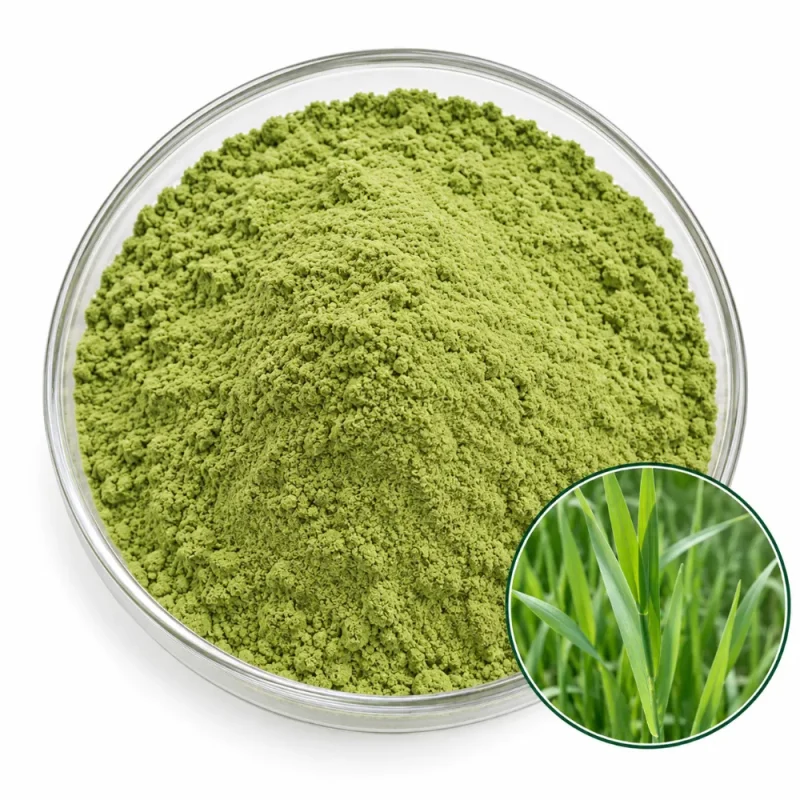
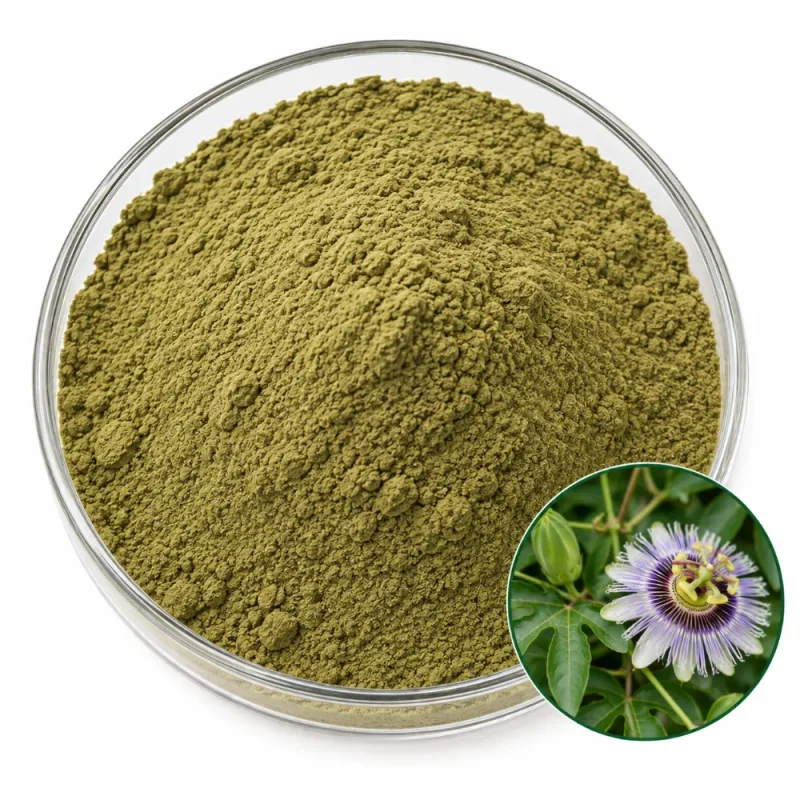
The scientific name is Triticum aestivum L., family Poaceae. The part used is the young leaf, cut about a week to ten days after sowing while it is still tender, then dried and milled. Grain, germ, bran, flour and the mature plant are not part of this raw material, and the distinction matters because wheat is used in very different forms.
Three wheat raw materials sit next to each other in the catalog: wheatgrass powder, which is leaf, whole wheat powder, which is milled grain, and wheat germ extract powder, which comes from the embryo of the grain. Each has its own chemistry, and a specification should say leaf in words. Durum wheat, Triticum durum, is a different species with its own listing.
The green color comes from chlorophyll, and the usual cutting stage is just before the stem begins to elongate, since chlorophyll content peaks at about that stage and falls afterward. The leaf also carries fiber and a range of phenolic compounds typical of young cereal leaves.
Drying method affects color: gentle, low-temperature drying keeps the green, while hot drying shifts it toward olive.
In a specification, wheatgrass powder should state the part in words. Listings that read wheat powder may mean grain flour, germ or the leaf, and the words dried young leaf, together with the species name and the mesh, make the raw material unambiguous for quality and regulatory staff.