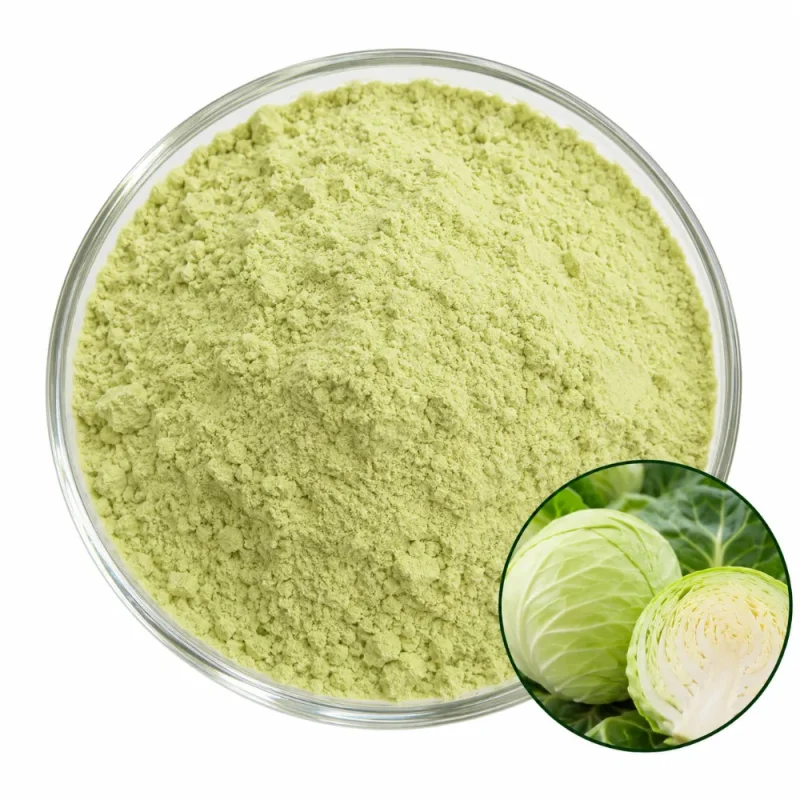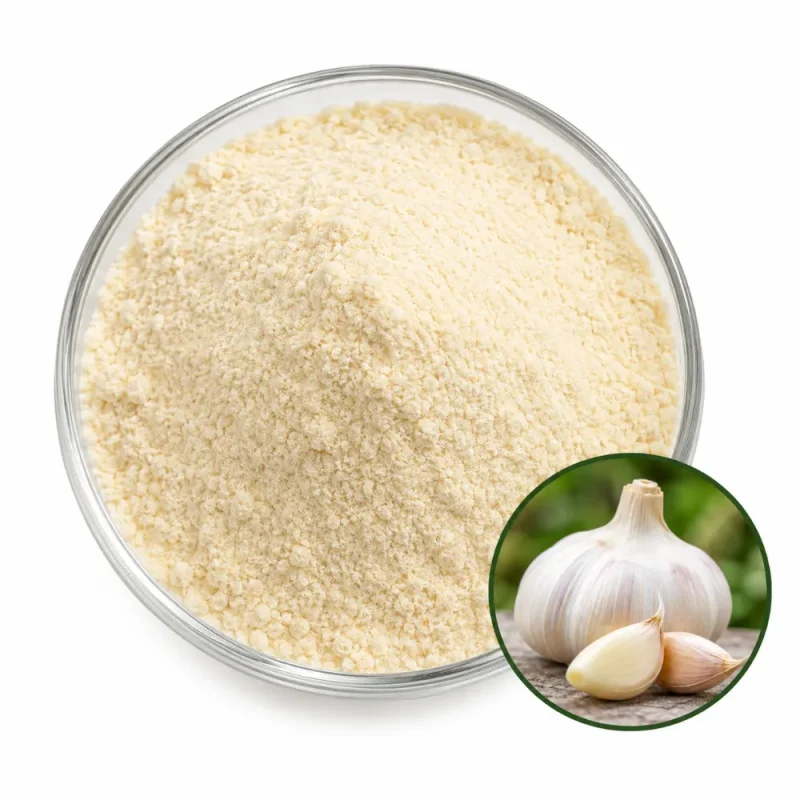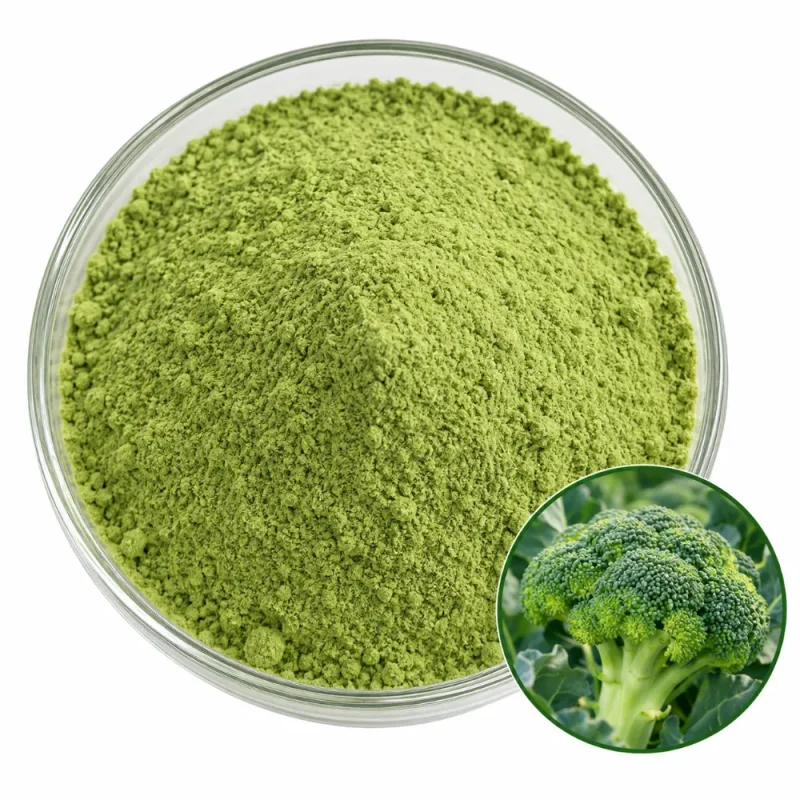
Broccoli Powder

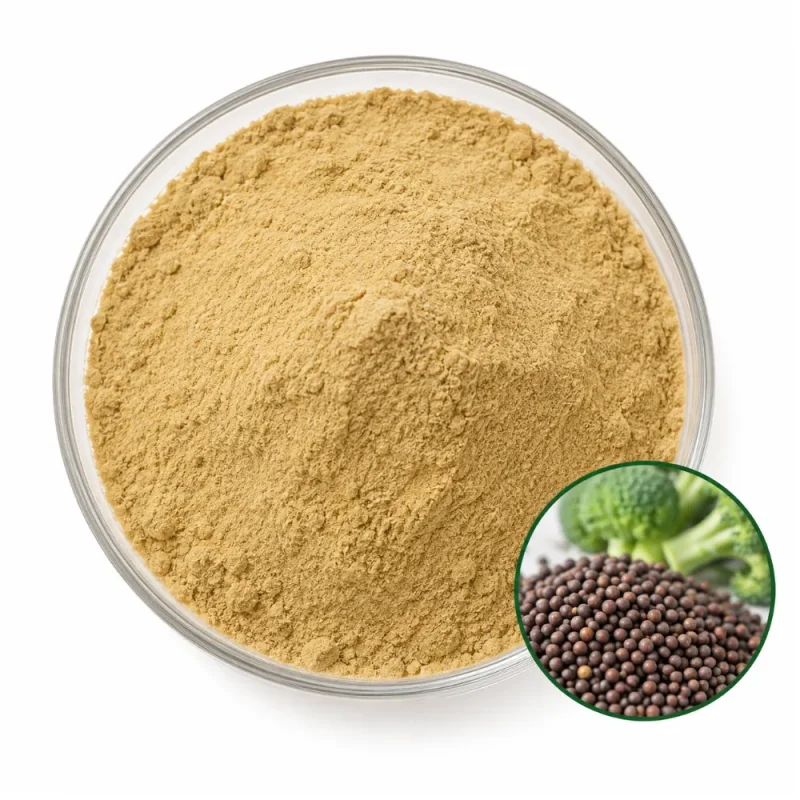
Broccoli powder starts with the heads of Brassica oleracea var. italica, which are trimmed, dried in warm air and milled to 80 mesh to give broccoli powder. The powder is green with an olive tone and tastes of cooked brassica, mildly sulfurous and savory. Roots, leaves and the sprouted seedlings of the plant are separate materials.

Broccoli is eaten as an immature flower head, and that head is the plant part used. The powder keeps the fiber, chlorophyll and sulfur flavor precursors of the vegetable in a whole-material form, with no carrier and no juice separation.

Dehydrated Broccoli Processing

The botanical entity is Brassica oleracea var. italica Plenck, one of the cultivar groups of wild cabbage that also includes cabbage, kale, cauliflower and Brussels sprouts. All of these share the species name, and they differ in the organ that breeders enlarged: leaves for kale, a compact head for cabbage, and the flower cluster for broccoli. The part used here is the floret head with its stalk, and broccoli sprouts, which are germinated seedlings, are a different product.

The raw material is fresh broccoli head. Florets and trimmed stalk are washed, cut, dried in warm air and ground to powder. Drying is the only step that changes the vegetable. Heat also inactivates myrosinase, the enzyme that turns glucosinolates into reactive isothiocyanates when cells are crushed, so the powder tastes of cooked broccoli and not of the sharper raw vegetable.

Broccoli is harvested as a cool-season crop before the buds open into yellow flowers. Heads left too long turn yellow and bitter, so processors take them while the heads are tight and deep green. Yellowing is also what dried broccoli does under heat, because chlorophyll degrades to pheophytin, which is why the powder reads olive and not bright green.

Stalks are part of the product. They are sweeter and starchier than florets and contribute fiber, so the powder has a milder, more rounded flavor than a floret-only material would give.
Broccoli Color, Flavor & Composition

Broccoli powder is green with an olive cast and forms a green suspension with visible fine particles in water. The flavor is savory and mildly sulfurous, with a grassy edge and a faint sweetness from stalk sugars. The sulfur note comes from compounds formed from glucosinolates in the plant, and cooking and drying soften it.

Characteristic constituents are chlorophylls, carotenoids, glucosinolates, dietary fiber and minerals. No figure is given for any of them. Broccoli, like other brassica vegetables, is rich in sulfur-containing compounds, which determine both its aroma and how it reacts with metals and heat in processing.

Broccoli powder is often paired with cheese, cream and garlic, because dairy fat rounds off the sulfur edge and carries the vegetable flavor. In dry mixes without fat the savory note reads as sharper and more cabbage-like, so the dose is tuned to the base.

FormWhat It IsChoose It When
Dehydrated Broccoli PowderHot-air dried and milled whole headWhole-head fiber and a cooked flavor are wanted
Freeze-Dried Broccoli PowderWhole head dried under vacuumA fresher green and aroma matter most
Broccoli Juice PowderSpray-dried juice on a carrierA fine, fiber-light, dispersible green is wanted
Freeze-Dried Broccoli Sprout PowderSeedlings dried under vacuumThe sprout stage, not the head, is specified

Typical Specifications

Specification ItemProduct Information
Latin NameBrassica oleracea var. italica
Plant PartFlower
ProcessingDehydrated
Common NameBroccoli
Raw MaterialFresh broccoli head
Ingredient TypeDehydrated Vegetable Powder
AppearanceGreen powder (natural color of the dried material)
FlavorSavory, mildly sulfurous, grassy
Solubility / DispersibilityWater Dispersible
Quality Parameters
Moisture (LOD)≤8.0%
Particle Size80 mesh
Heavy MetalsLead ≤2 ppm · Arsenic ≤1 ppm · Cadmium ≤1 ppm · Mercury ≤0.1 ppm
MicrobiologyTPC ≤10,000 cfu/g · Yeast & Mold ≤1,000 cfu/g · E. coli Negative · Salmonella Negative/25 g
Shelf Life24 months in unopened original packaging, cool and dry storage

Application Areas

Savory Soup and Sauce Mixes

Dry soup and cheese-sauce mixes use broccoli powder to supply the flavor of cooked broccoli without chunky pieces. It rehydrates in hot liquid and thickens slightly, and its sulfur note pairs with dairy, garlic and black pepper in classic broccoli-and-cheese styles.

Green Pasta and Dough Coloring

Pasta, noodle and bread makers add broccoli powder for green color and a vegetable note. The pigment turns olive when cooked, and its fiber binds water, so doughs need a hydration adjustment and recipes dose above the target shade.

Seasoning and Snack Dusts

Snack seasonings combine broccoli powder with cheddar, onion and garlic for savory vegetable chips and crackers. The fine powder adheres to oiled surfaces, and the savory sulfur note supports umami-style flavor systems without added glutamate, which suits seasoned vegetable crisps.

Vegetable Burger and Fritter Mixes

Plant-based patties and fritters use broccoli powder for color, fiber and water binding. It blends with potato, chickpea and herbs, and it keeps the cooked patty moist, though the sulfur aroma grows stronger on reheating, which matters for chilled ready meals.

Green Blend Drink and Smoothie Sticks

Greens blends for drink sticks use broccoli powder with fruit powders to mask its savory edge. It disperses in cold water with stirring, and apple, pineapple and lemon notes balance the brassica character of the vegetable in the cup.

Handling Notes

Broccoli powder is hygroscopic and takes on moisture from humid air. It clumps first, then darkens at the surface, and a drum left open can form a crust. Weigh in a dry room and reseal the liner after every draw to keep the powder free-flowing.

Sulfur compounds are the odor risk. In warm or damp storage, they form stronger cabbage-like off-notes, and the smell migrates to neighboring ingredients. Keep the drum tightly closed, store it away from delicate flavors and use opened containers within a short window.

Color moves toward olive and brown in light and heat. Opaque, sealed packaging in a cool store holds the shade, and acidic dry mixes accelerate the shift. Sulfur compounds also react with copper and iron to give dark tones, so stainless steel tools are the right choice.

Stems and florets age differently in storage. The stalk fraction picks up moisture faster than the floret fraction, so a drum that has been opened often shows damp patches first near the surface, and those layers are best used or discarded before the rest.

Packaging & Commercial Supply

Essencefield supports product evaluation, formulation trials, commercial orders, and ongoing ingredient supply. Packaging, storage, and shipping arrangements are determined by product characteristics, order quantity, stability requirements, and destination-market needs.

Supply ItemGeneral Information
SampleAvailable upon request for formulation, testing, and supplier evaluation
Order Quantities100 g · 1 kg · 5 kg · 25 kg · 100 kg · 500 kg · Bulk
Sample Lead TimeTypically 5–7 days after sample confirmation
Production Lead TimeTypically 15–30 days after order and specification confirmation
PackagingSuitable protective inner packaging with bags, cartons, drums, or other appropriate outer packaging
StorageStore in tightly sealed, suitable protective packaging in a cool, dry environment. Protect from moisture, heat, and direct sunlight. Specific storage conditions follow the approved product specification.
DocumentationCOA · Product Specification · TDS · SDS · Applicable declarations (as applicable)

Final order quantities, lead times, packaging, documentation, and shipping arrangements are confirmed according to the selected product and commercial requirements.

Request Ingredient Specifications & Quote

Share your target specification, application, quantity, and documentation needs. We’ll help confirm suitable options, samples, and commercial supply details.