Dehydrated Tomato Processing
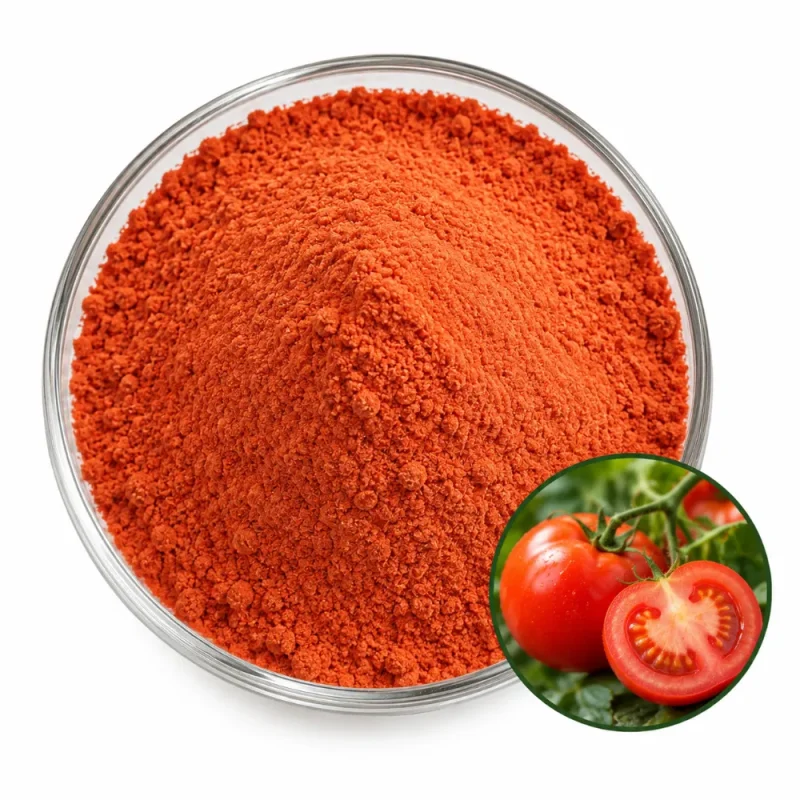
The species is Solanum lycopersicum L., the cultivated tomato, a perennial grown as an annual and a member of the nightshade family (Solanaceae). Wild relatives such as Solanum pimpinellifolium are the currant tomato, and potato, eggplant and pepper are other nightshade crops. The part used is the ripe fruit. Leaves and green stems of the plant carry alkaloids and are not food ingredients.
The raw material is fresh ripe tomato. Fruit is washed, sliced or diced and dried in warm air, then ground into powder. Drying concentrates sugars, acids and amino acids into a savory, almost sun-dried flavor. Hot-air drying also deepens the red toward brick, because lycopene is partly isomerized and oxidized at elevated temperature.
Processing tomatoes are not the same as fresh-market tomatoes. Varieties bred for processing have thick walls, firm flesh, lower water content and high solids, and they ripen together for mechanical harvest. A powder made from such fruit yields more per unit of fresh weight and a more uniform color than one made from table tomatoes.
Tomatoes are harvested at full red ripeness, since color and flavor do not improve after picking. Late-season fruit from hot, dry fields is sweeter and richer in pigment. Varieties are not named for this powder, which is described by its shade and taste.