Dehydrated Burdock Root Processing
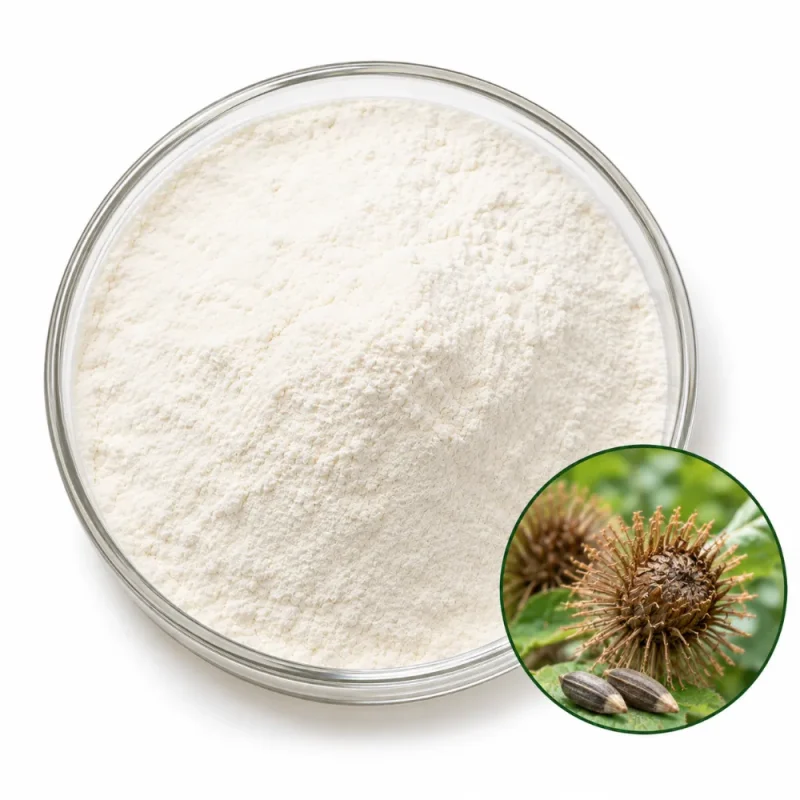
The species is Arctium lappa L., greater burdock, a biennial of the daisy family (Asteraceae) native to Europe and Asia. Related species such as Arctium minus and Arctium tomentosum grow as roadside weeds with similar burs, and the cocklebur, Xanthium, is another plant with spiny fruit that is often confused with burdock in traditional medicine. The part used here is the root, and burdock seed, which is sold as a separate spice and extract, has a different chemistry.
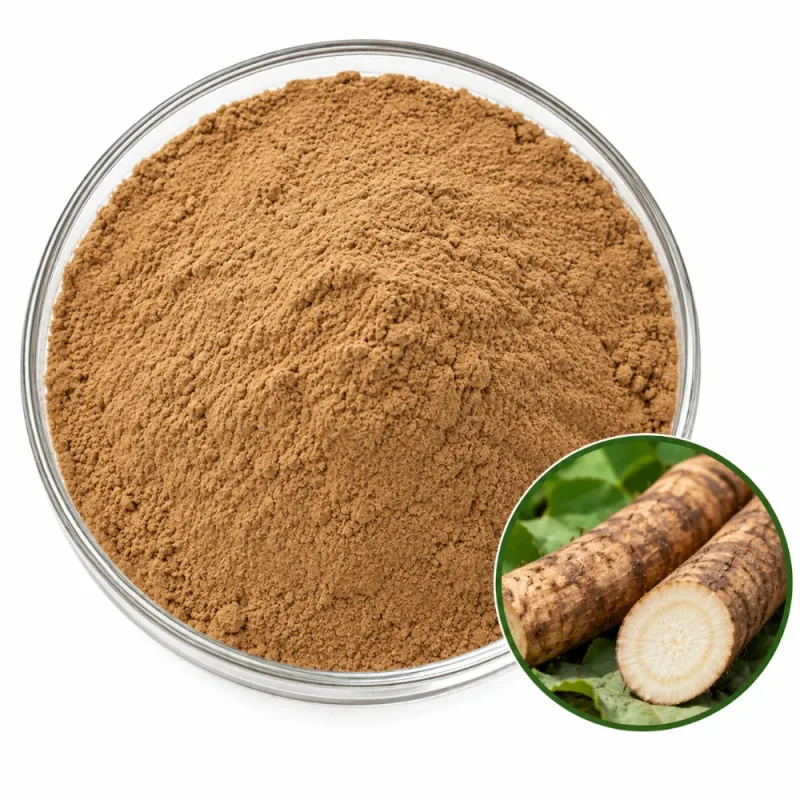
The raw material is fresh burdock root. Roots are washed, scrubbed or peeled, sliced thinly, dried in warm air and ground to powder. Fresh root browns rapidly when cut because its phenolic compounds oxidize, and processors move cut pieces to drying quickly or hold them in water. Hot-air drying fixes that tan color into the powder, giving it a warmer tone than the pale flesh suggests.
Burdock is harvested in autumn of the first year, before the plant flowers and the root turns woody. Young, tender roots are sweet and crisp, while older roots are fibrous and bitter. The cultivar and root age are not stated, so the powder is described by character.
The main storage carbohydrate of burdock is inulin, a chain of fructose units, in place of the starch of potato or sweet potato. That is why the root tastes mildly sweet without being starchy, and why the powder behaves differently from starch-based vegetable powders in doughs and drinks.