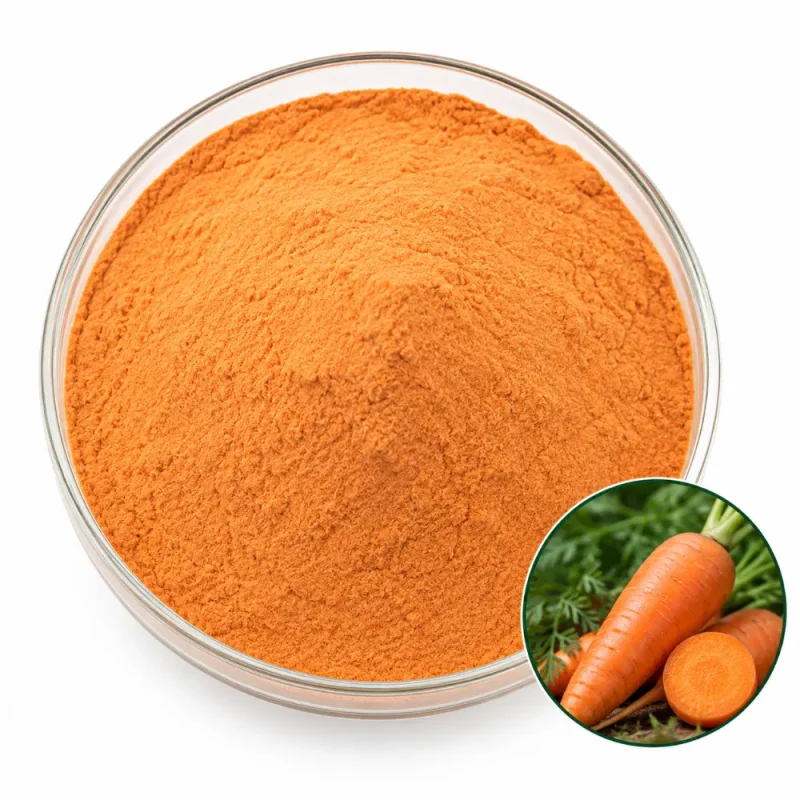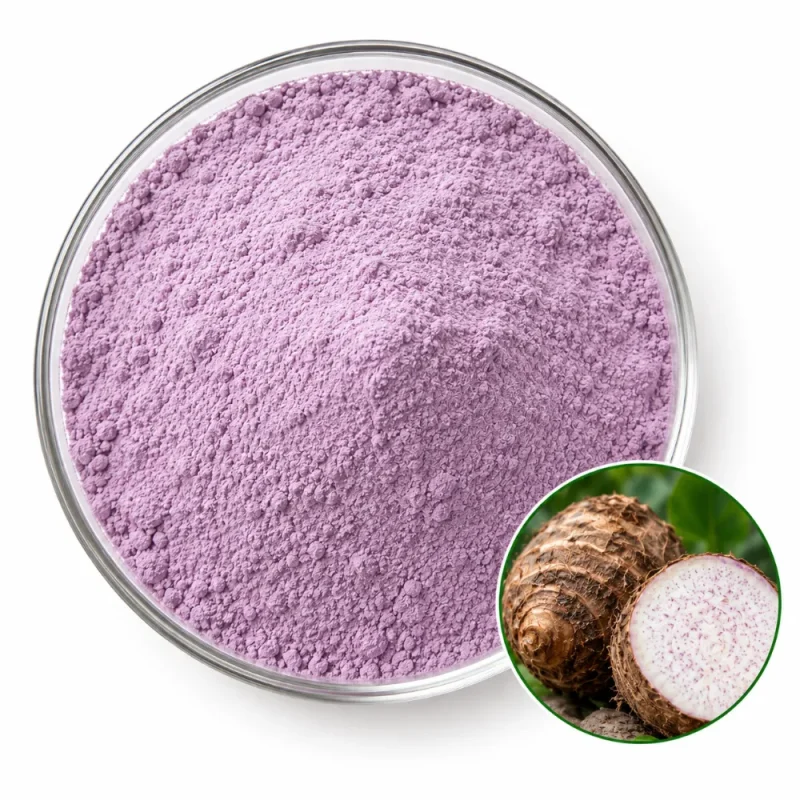
Taro Powder

Corms of Colocasia esculenta are peeled, cooked, dried in warm air and milled to 80 mesh to give taro powder. The powder is light yellow and tastes sweet, nutty and creamy, with a faint vanilla-like roundness. Leaves, stems and the side tubers of the same plant are separate materials.

Taro is a starchy staple of the tropics, and the corm is the plant part used. The powder is a cooked-starch material, which makes it a smooth, easily hydrated thickener as well as a flavor ingredient.

Dehydrated Taro Processing

The species is Colocasia esculenta (L.) Schott, taro, a tropical perennial of the arum family (Araceae) grown for its starchy corm. Other aroids carry similar names: tannia or cocoyam, Xanthosoma sagittifolium, is a New World relative with a different corm, and giant taro, Alocasia macrorrhiza, is a separate genus. The part used here is the main underground corm, with its white to cream flesh and purple flecks in some types.

The raw material is fresh taro corm. Raw taro contains needle-shaped calcium oxalate crystals that irritate the mouth and skin, and cooking destroys the irritating effect, so taro is always cooked before eating. Corms are peeled, steamed or boiled, cut, dried in warm air and ground. Cooking also gelatinizes the starch, and the powder hydrates quickly as a result.

Taro starch has very small granules, much finer than potato or corn starch, and that fineness gives taro its smooth, creamy texture in desserts and drinks. It also makes the starch easily digestible and slow to retrograde, so taro-thickened foods stay smooth on cooling.

Corms are harvested months after planting, when the leaves yellow, and they keep poorly once dug, which makes drying a practical way to extend supply. Varieties differ in sweetness, color and starch type, from dry, mealy types to sticky, moist ones. Corm types are not named, and the powder is described by its creamy character.
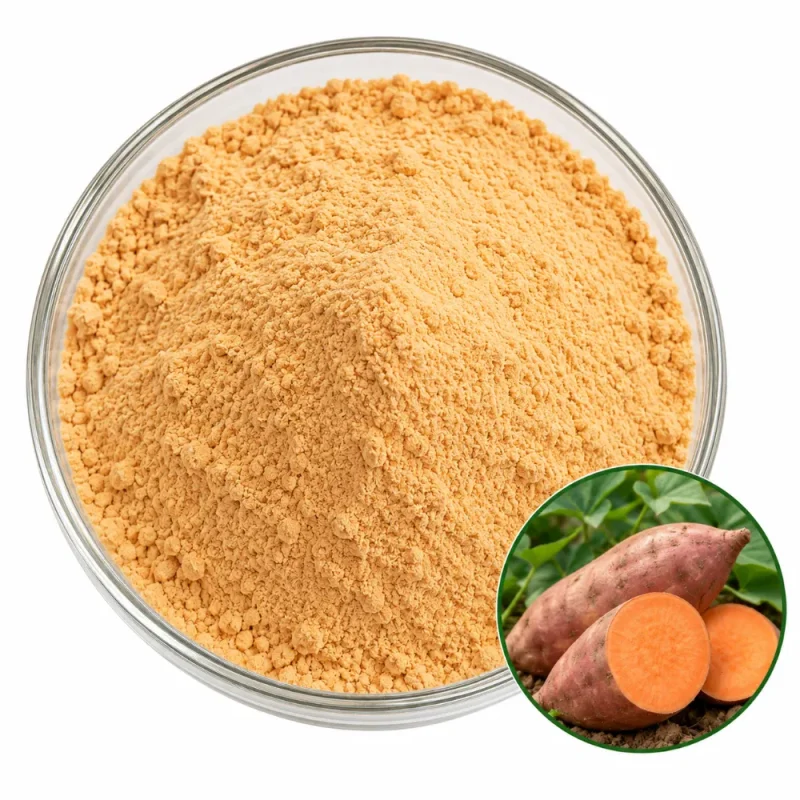
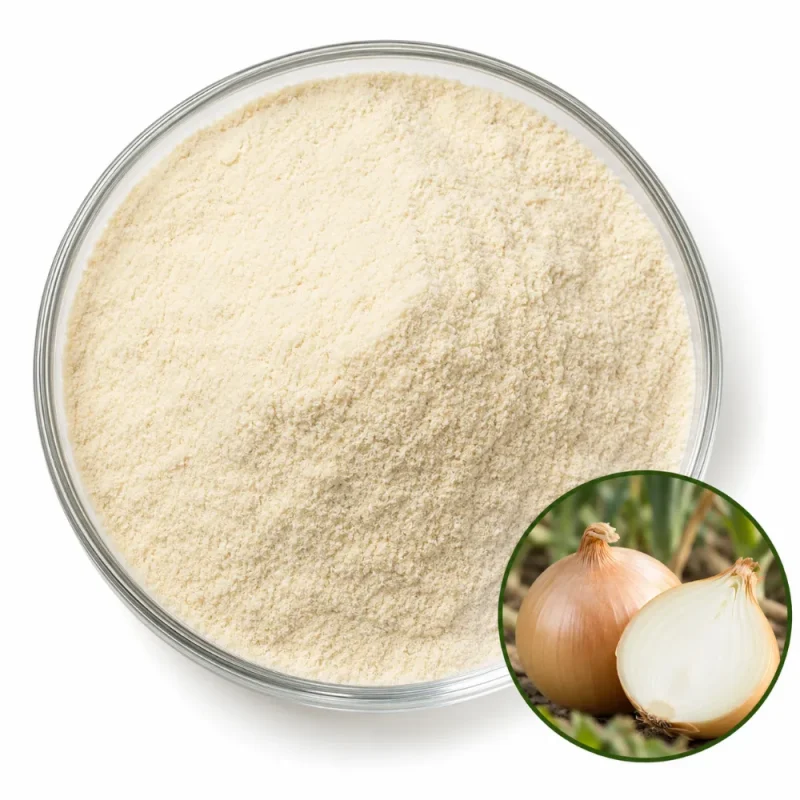
Taro Color, Flavor & Composition

Taro powder is light yellow to cream, sometimes with faint lilac flecks, and it forms a pale, creamy suspension in water. The flavor is mild, sweet and nutty, often described as vanilla-like and slightly floral, and it works in sweet and savory foods alike.

Characteristic constituents are fine-granule starch, sugars, dietary fiber, mucilage and minerals. No figure is given for any of them. The mucilage in taro is lower than in okra but still adds slip and body to hydrated products, and the starch is the main contributor of thickness.

Taro is eaten both savory and sweet across Asia and the Pacific, from Hawaiian poi to Taiwanese taro balls. The powder fits the sweet side best, because the starch and mild vanilla-like flavor carry cream, sugar and coconut well, while savory use stays in soups and congee.

FormWhat It IsChoose It When
Dehydrated Taro PowderHot-air dried and milled cooked cormA creamy, sweet, starchy base is wanted
Freeze-Dried Whole-Corm PowderCooked corm dried under vacuumA fresher aroma matters more than cost

Typical Specifications

Specification ItemProduct Information
Latin NameColocasia esculenta
Plant PartRoot & Rhizome
ProcessingDehydrated
Common NameTaro
Raw MaterialFresh taro corm
Ingredient TypeDehydrated Vegetable Powder
AppearanceLight Yellow powder (natural color of the dried material)
FlavorSweet, nutty, creamy
Solubility / DispersibilityWater Dispersible
Quality Parameters
Moisture (LOD)≤8.0%
Particle Size80 mesh
Heavy MetalsLead ≤2 ppm · Arsenic ≤1 ppm · Cadmium ≤1 ppm · Mercury ≤0.1 ppm
MicrobiologyTPC ≤10,000 cfu/g · Yeast & Mold ≤1,000 cfu/g · E. coli Negative · Salmonella Negative/25 g
Shelf Life24 months in unopened original packaging, cool and dry storage

Application Areas

Taro Milk Tea and Latte Powders

Instant taro milk tea and latte powders use taro powder for creamy body and a sweet, vanilla-like flavor. It disperses in hot or cold liquid with stirring, and the fine starch gives a smooth mouthfeel without a gritty finish.

Bakery Fillings and Pastry Creams

Taro paste fillings for buns, pastries and cakes are traditional in East Asian baking, and the powder rebuilds them from a dry premix. It binds water and holds a smooth texture, and a lilac tint can be added in the buyer’s own formula.

Ice Cream and Frozen Dessert Bases

Frozen dessert bases take taro powder for a creamy fruit-free flavor and extra body. The fine starch helps the frozen texture, and its mild sweetness pairs with coconut, vanilla and sweet red bean in ice cream, popsicles and layered desserts.

Soup, Porridge and Congee Bases

Dry soup, porridge and congee mixes use taro powder to supply the starchy sweetness of cooked taro. It dissolves into hot liquid to a creamy consistency and pairs with pork, coconut milk or mushroom flavors in savory recipes.

Dumpling, Mochi and Snack Doughs

Dumpling, rice-cake and snack makers add taro powder to doughs for soft, chewy texture and a gentle sweetness. The pre-cooked starch swells quickly, so dough hydration is adjusted, and it keeps dumplings and rice cakes soft for longer after cooling.

Handling Notes

Taro powder is hygroscopic and takes on moisture in humid air. Its pre-cooked starch swells where damp, and a drum left open can set into a firm cake. Weigh in a dry area and shut the liner after each draw.

The powder hydrates the moment it meets liquid, so it forms lumps if poured in without pre-blending. Mix it with sugar or flour first, or sprinkle it slowly into a stirred liquid, and allow time for the starch to swell fully before judging thickness.

With warmth and light the color deepens toward tan, and old stock smells flat and faintly stale. Store unopened drums cool, finish opened bags quickly and keep the powder clear of strong smells, which its soft aroma takes up readily.

Taro powder keeps best when treated like a flour. Store it sealed and cool, rotate stock first in, first out, and look for off-odors before use, since the starch and trace fat can turn stale-smelling after a long, warm storage period.

Packaging & Commercial Supply

Essencefield supports product evaluation, formulation trials, commercial orders, and ongoing ingredient supply. Packaging, storage, and shipping arrangements are determined by product characteristics, order quantity, stability requirements, and destination-market needs.

Supply ItemGeneral Information
SampleAvailable upon request for formulation, testing, and supplier evaluation
Order Quantities100 g · 1 kg · 5 kg · 25 kg · 100 kg · 500 kg · Bulk
Sample Lead TimeTypically 5–7 days after sample confirmation
Production Lead TimeTypically 15–30 days after order and specification confirmation
PackagingSuitable protective inner packaging with bags, cartons, drums, or other appropriate outer packaging
StorageStore in tightly sealed, suitable protective packaging in a cool, dry environment. Protect from moisture, heat, and direct sunlight. Specific storage conditions follow the approved product specification.
DocumentationCOA · Product Specification · TDS · SDS · Applicable declarations (as applicable)

Final order quantities, lead times, packaging, documentation, and shipping arrangements are confirmed according to the selected product and commercial requirements.

Request Ingredient Specifications & Quote

Share your target specification, application, quantity, and documentation needs. We’ll help confirm suitable options, samples, and commercial supply details.