Methyl Hesperidin 98%

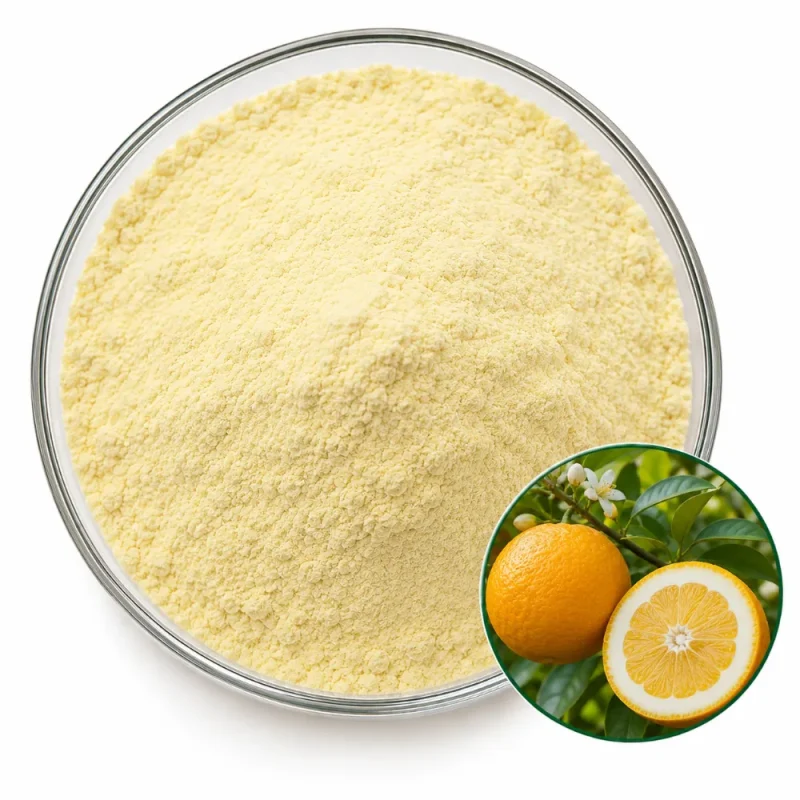
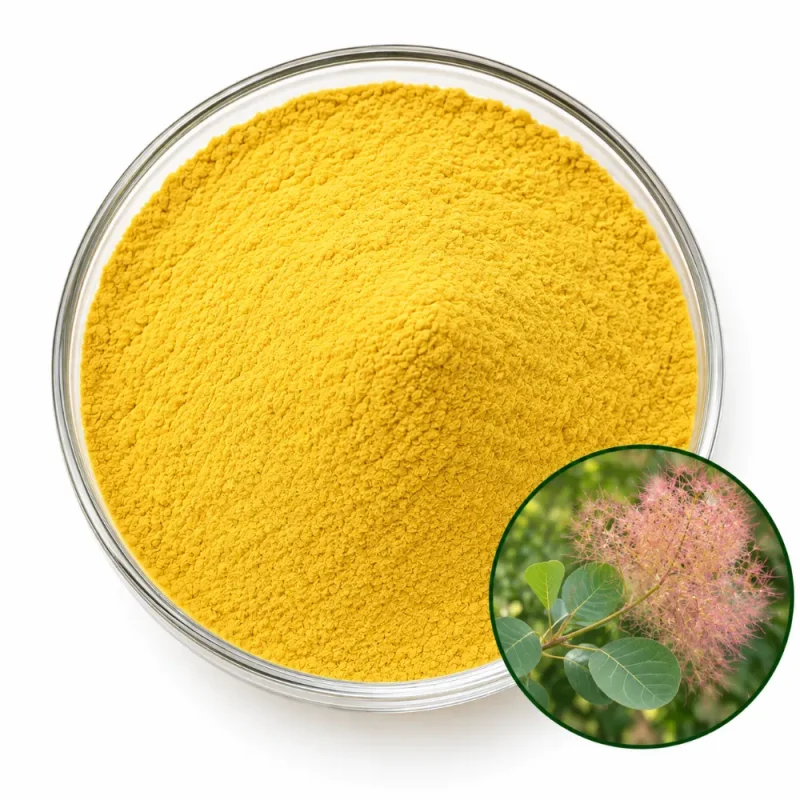
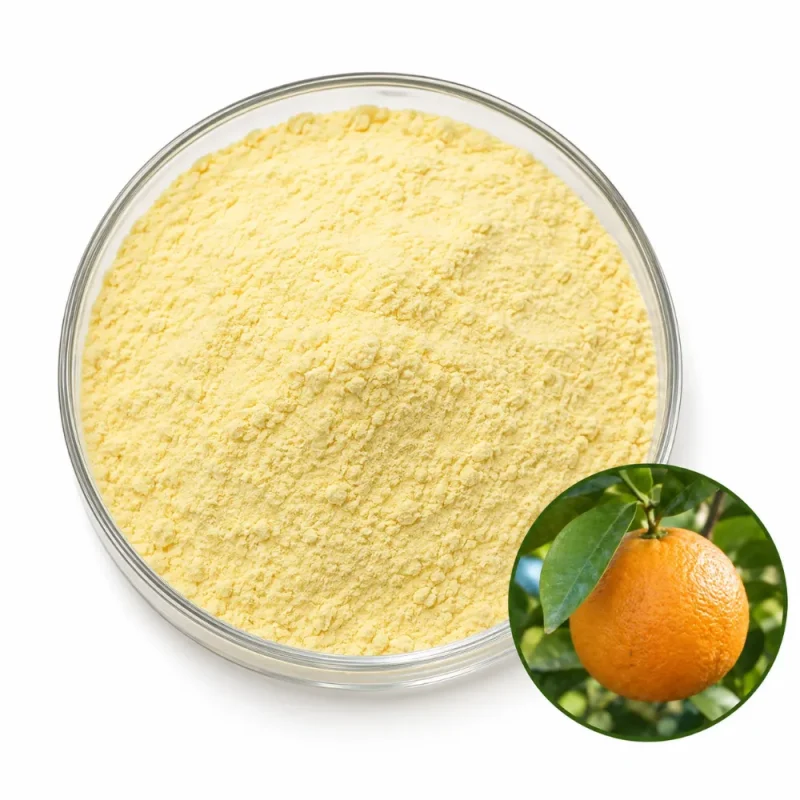
Methylation of hesperidin, the flavanone glycoside of citrus peel, gives methyl hesperidin, and this material traces to the peel of Citrus sinensis, the sweet orange, processed by solvent extraction and purification. Methylation of the aglycone changes the polarity of the parent glycoside and gives a light yellow powder that dissolves in water.

The primary grade is 98% methyl hesperidin by HPLC, with 90% and 95% grades also supplied, in Food / Dietary Supplement Grade. The relevant contrast is with hesperidin itself, which is insoluble in water, and methyl hesperidin is chosen where a water soluble citrus flavanone is wanted.

Methyl Hesperidin Chemical Identity

The PubChem record for methyl hesperidin gives the molecular formula C29H36O15 and a molecular weight of 624.6, one methylene unit more than hesperidin. The structure is hesperidin with an additional methyl ether on the B-ring, so the aglycone carries two methoxy groups where hesperidin carries one methoxy and one free hydroxyl. The rutinose sugar chain at position 7 is unchanged. Removing a free phenolic hydroxyl reduces hydrogen bonding in the crystal, which is part of the reason the solid dissolves more easily.

Trade names in this area are not uniform. Hesperidin methyl chalcone is a different material, an open-ring chalcone form that is also called methyl hesperidin in some lists, and it has its own identifier. The identifiers in the table belong to the PubChem record for methyl hesperidin, so a buyer who needs the chalcone should say so. The botanical origin is the peel of Citrus sinensis, which supplies the hesperidin precursor. Other citrus materials are listed as Citrus Bioflavonoids Extract 40–90% Total Bioflavonoids, Bitter Orange Peel Extract Powder and Citrus Bioflavonoid Extract Powder, none of which is a single methylated glycoside.

Typical Specifications

Specification ItemProduct Information
Natural SourceCitrus sinensis peel
Plant PartFruit & Berry
ProcessingSolvent Extraction & Purification
Compound ClassFlavonoids, Polyphenols
Chemical Name (IUPAC)(2S)-2-(3,4-dimethoxyphenyl)-5-hydroxy-7-[(2S,3R,4S,5S,6R)-3,4,5-trihydroxy-6-[[(2R,3R,4R,5R,6S)-3,4,5-trihydroxy-6-methyloxan-2-yl]oxymethyl]oxan-2-yl]oxy-2,3-dihydrochromen-4-one
CAS Number11013-97-1
Molecular FormulaC29H36O15
Molecular Weight624.6
PubChem CID5284419
InChIKeyGUMSHIGGVOJLBP-SLRPQMTOSA-N
Purity98% (HPLC)
Available Grades90% · 95% · 98% (HPLC)
GradeFood / Dietary Supplement Grade
AppearanceLight Yellow powder
Solubility / DispersibilityWater Soluble
Quality Parameters
Moisture (LOD)≤5.0%
Total Ash≤5.0%
Heavy MetalsLead ≤2 ppm · Arsenic ≤1 ppm · Cadmium ≤1 ppm · Mercury ≤0.1 ppm
MicrobiologyTPC ≤1,000 cfu/g · Yeast & Mold ≤100 cfu/g · E. coli Negative · Salmonella Negative/25 g
Shelf Life24 months in unopened original packaging, cool and dry storage

Methyl Hesperidin Purity Grades & Impurities

GradeAssay & MethodWhere It Fits
90% Methyl HesperidinHPLCDrink powders and dry blends
95% Methyl HesperidinHPLCWater-based concentrates
98% Methyl HesperidinHPLCClear solutions and reference blends

Methylated glycosides are harder to purify to a single peak than the parent. The reaction that introduces the methyl group can act at more than one position, so the product can be a mixture of mono- and polymethylated hesperidins, plus unreacted hesperidin. An HPLC trace of the lot should show a main peak for the target and small neighbors, and the percentage compares that peak with everything else detected.

Residual hesperidin is the most relevant related substance, because it is the precursor and it is far less soluble. A lot with a noticeable hesperidin peak can leave haze in a water-based solution even when the main peak is high. Other flavanone glycosides from the peel, such as narirutin and didymin, may also carry through in methylated form. Free hesperetin and its methyl ethers appear when the glycosidic bond hydrolyzes.

The difference between the 90%, 95% and 98% grades of methyl hesperidin matters most for clarity. The higher grades leave less insoluble residue and give clearer, more stable solutions, which is important for water-based formulas. The lower grade suits opaque or dry applications where small amounts of related material do not show. Moisture and ash are limited separately in the table.

Water content deserves a note because methylated glycosides are less crystalline than the parent. They are often isolated as an amorphous or partly crystalline solid that takes up moisture, and the weight of a dose then drifts with humidity. A formulator who weighs small amounts for a premix works in a conditioned room and compares the loss-on-drying of each lot, since a damp lot will deliver less flavanone per gram than the same lot dried.

Methyl Hesperidin Solubility & Delivery

Methyl hesperidin dissolves in water, in contrast with hesperidin, and the solution is clear and pale yellow. It is also soluble in dilute alkali and in polar solvents such as methanol, while its solubility falls in less polar solvents. The methyl ether removes a hydrogen-bond donor, and the sugar chain keeps the molecule polar, so it behaves as a water-phase ingredient with moderate lipophilicity.

That solubility is the practical reason to use the derivative. Formulators can make clear liquid concentrates and drink bases that the parent glycoside cannot support, without cyclodextrins or other solubilizers. The solution should be kept within a mild pH range, since strong alkali opens the flavanone ring and darkens the solution, and heating for long periods hydrolyzes the glycosidic bond. Dry powder is moderately hygroscopic, so closed containers and a desiccant protect flow, and a short mixing time avoids foam.

Because the substance dissolves, it is also the form to choose when analytical clarity matters. A solution of methyl hesperidin can be filtered through a fine membrane and read by HPLC without the suspended particles that complicate a measurement on the parent. For a formula development team this makes it easy to follow stability in the liquid, and to see the first change of color or the first haze long before a dispersion of the insoluble parent would show anything.

Application Areas

Clear Water-Based Concentrates

Methyl hesperidin dissolves into water-based concentrates and shots without a solubilizer. Dissolve it in warm water before the acid is added, filter the solution to check clarity, and avoid strongly alkaline bases that open the ring.

Soluble Drink Premixes

Drink powders use methyl hesperidin in the dry premix with sweeteners and acids. A pre-blend with a flow agent keeps small weights accurate, and the powder is added late in mixing because it picks up moisture quickly in humid rooms.

Tablets for Quick Dissolution

Capsules and tablets take methyl hesperidin at low to moderate inclusion. The powder dissolves quickly, so tablets need a moisture-limited binder, and capsule fills benefit from a dry filling room and a desiccant in the bottle.

Comparison Blends With Hesperidin

Formulators studying the effect of methylation use methyl hesperidin beside hesperidin to compare dissolution and clarity. Each lot is compared with a retained sample, and the HPLC trace of both is filed to trace any residual precursor.

Packaging & Commercial Supply

Essencefield supports product evaluation, formulation trials, commercial orders, and ongoing ingredient supply. Packaging, storage, and shipping arrangements are determined by product characteristics, order quantity, stability requirements, and destination-market needs.

Supply ItemGeneral Information
SampleAvailable upon request for formulation, testing, and supplier evaluation
Order Quantities100 g · 1 kg · 5 kg · 25 kg · 100 kg · 500 kg · Bulk
Sample Lead TimeTypically 5–7 days after sample confirmation
Production Lead TimeTypically 15–30 days after order and specification confirmation
PackagingSuitable protective inner packaging with bags, cartons, drums, or other appropriate outer packaging
StorageStore in tightly sealed, suitable protective packaging in a cool, dry environment. Protect from moisture, heat, and direct sunlight. Specific storage conditions follow the approved product specification.
DocumentationCOA · Product Specification · TDS · SDS · Applicable declarations (as applicable)

Final order quantities, lead times, packaging, documentation, and shipping arrangements are confirmed according to the selected product and commercial requirements.

Request Ingredient Specifications & Quote

Share your target specification, application, quantity, and documentation needs. We’ll help confirm suitable options, samples, and commercial supply details.