3,4-Dihydroxyphenylacetic Acid 98%

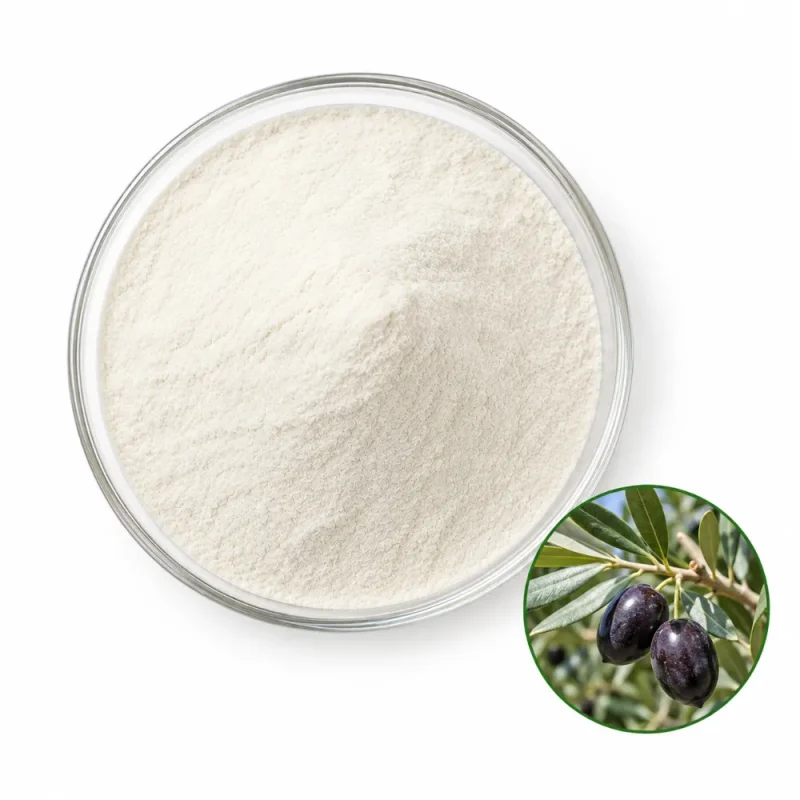
An olive phenol that forms when hydroxytyrosol is oxidized, 3,4-dihydroxyphenylacetic acid is isolated here from the fruit of Olea europaea by ethanol extraction and purification. It is a catechol acid with a two-carbon side chain, and it is a water soluble, off-white powder.

The primary grade is 98% 3,4-dihydroxyphenylacetic acid by HPLC, in Food / Dietary Supplement Grade. The compound is often abbreviated DOPAC, and its identity rests on the catechol ring and the acetic acid side chain, which separate it from the benzoic acid and the alcohol that look similar in a catalog.

3,4-Dihydroxyphenylacetic Acid Chemical Identity

3,4-Dihydroxyphenylacetic acid has the molecular formula C8H8O4 and a molecular weight of 168.1. A benzene ring carries two adjacent hydroxyl groups, a catechol, and a CH2–COOH side chain. The single methylene group between the ring and the carboxyl is the structural point that sets it apart from 3,4-dihydroxybenzoic acid, where the carboxyl is attached directly to the ring, and from homovanillic acid, which has one hydroxyl methylated. The CH2 group isolates the ring from the acid, so the ring behaves like a free catechol while the acid behaves like an ordinary aliphatic carboxylic acid.

In the olive fruit, phenols such as hydroxytyrosol and tyrosol dominate, and the acetic acid analog arises by oxidation of hydroxytyrosol. The natural source here is the fruit of Olea europaea L., and the part and species belong beside the name because the same compound occurs in other plants and as an animal metabolite. Olive fruit is supplied in other forms: Olive Fruit Extract 10–40% Hydroxytyrosol, the 10:1 Olive Fruit Extract Powder and the pure phenol Hydroxytyrosol 98%. In those, the alcohol is the defining compound, whereas 3,4-dihydroxyphenylacetic acid is its oxidized acid.

Because DOPAC is a common name in biochemistry as well as in food chemistry, a specification should always give the full chemical name, the CAS number and the source.
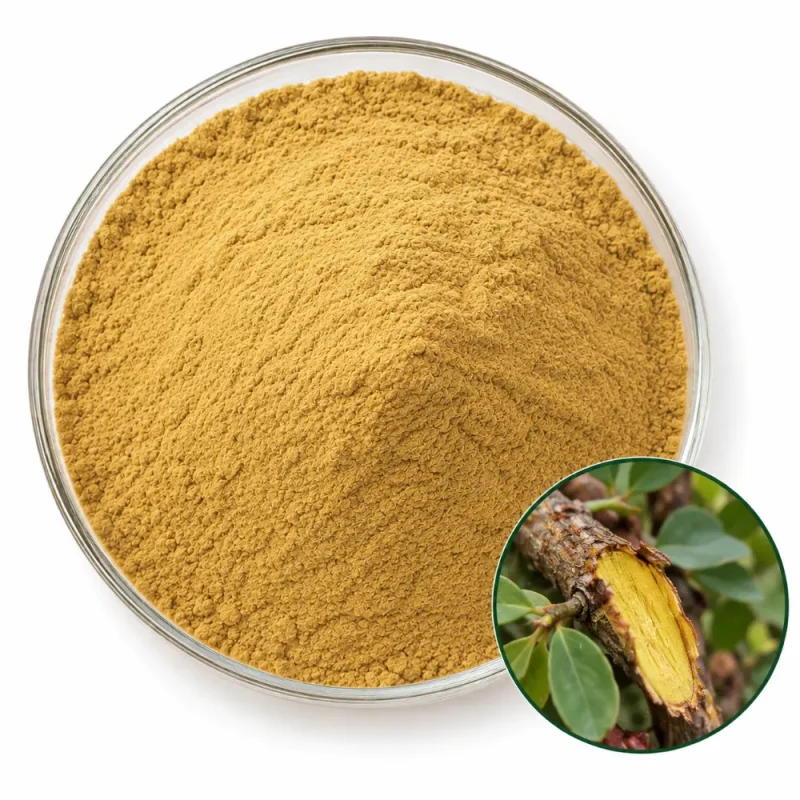
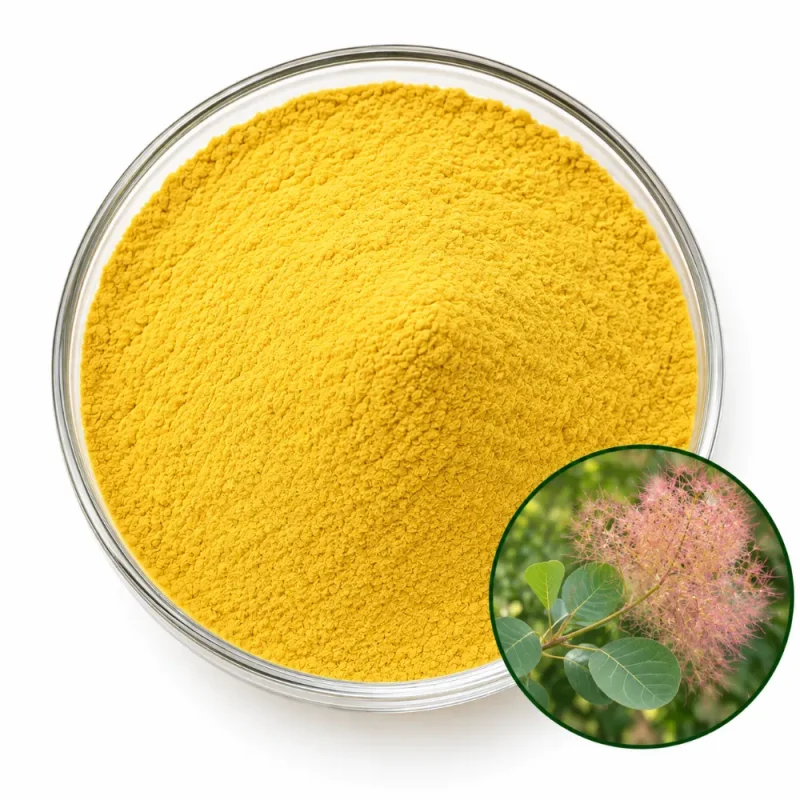
Typical Specifications

Specification ItemProduct Information
Natural SourceOlea europaea fruit
Plant PartFruit & Berry
ProcessingEthanol Extraction & Purification
Compound ClassPolyphenols
Chemical Name (IUPAC)2-(3,4-dihydroxyphenyl)acetic acid
CAS Number102-32-9
Molecular FormulaC8H8O4
Molecular Weight168.15
PubChem CID547
InChIKeyCFFZDZCDUFSOFZ-UHFFFAOYSA-N
SMILESC1=CC(=C(C=C1CC(=O)O)O)O
Purity98% (HPLC)
GradeFood / Dietary Supplement Grade
AppearanceOff-White powder
Solubility / DispersibilityWater Soluble
Quality Parameters
Moisture (LOD)≤5.0%
Total Ash≤5.0%
Heavy MetalsLead ≤2 ppm · Arsenic ≤1 ppm · Cadmium ≤1 ppm · Mercury ≤0.1 ppm
MicrobiologyTPC ≤1,000 cfu/g · Yeast & Mold ≤100 cfu/g · E. coli Negative · Salmonella Negative/25 g
Shelf Life24 months in unopened original packaging, cool and dry storage

3,4-Dihydroxyphenylacetic Acid Purity Grades & Impurities

The 98% figure is an HPLC result that compares the 3,4-dihydroxyphenylacetic acid peak with the other detected peaks, usually near 280 nm where the catechol ring absorbs. The figure does not count water, ash or silent components, and the table gives moisture and ash separate limits. Only one grade is offered.

The related substances of olive-derived 3,4-dihydroxyphenylacetic acid are the other olive phenols and the oxidation products between them. Hydroxytyrosol, the alcohol, is its precursor and elutes in a different position, and tyrosol, p-hydroxyphenylacetic acid, caffeic acid and homovanillic acid are the neighboring compounds that a method must resolve. Oleuropein and its breakdown products are larger olive phenols that are removed by purification and that indicate incomplete cleanup if they appear.

The catechol is the weak point, and color is the practical measure. A clean lot is off-white, and a pink, grey or brown tint shows quinone formation and polymerization, which are driven by air, light, alkaline conditions and traces of iron or copper. HPLC may show only small changes while the color moves, so appearance and the main peak are read together. Moisture and ash are limited separately, and the powder is stored dry in a closed, opaque container with a minimum of headspace.

3,4-Dihydroxyphenylacetic acid is also made by chemical routes, and plant-derived and synthetic material share the same main peak. Buyers can read the route from the stated source and from the impurity pattern of the trace.

3,4-Dihydroxyphenylacetic Acid Solubility & Delivery

3,4-Dihydroxyphenylacetic acid dissolves in water, more readily when warm, and in ethanol, methanol and ethyl acetate. It is polar, with a low logP, and the solution is mildly acidic and colorless when fresh. It does not dissolve in oils or in nonpolar solvents, so it is handled as a water-phase ingredient.

Delivery of 3,4-dihydroxyphenylacetic acid turns on protecting the catechol. In neutral or alkaline solutions it oxidizes within hours and the liquid turns pink and then brown, so bases are kept mildly acidic. Oxygen is removed by sparging or by a nitrogen blanket, and a chelating agent is added where hard water or minerals are present. Ascorbic acid and other reducing agents slow the reaction but change the formula. In dry blends the powder is stable if sealed and dry, and the premix with a dry carrier helps weigh small amounts accurately. Light accelerates darkening, so amber glass or opaque packs are used.

Concentration limits are practical here. A stock made near the top of the solubility range of 3,4-dihydroxyphenylacetic acid may crystallize in the cold, so the working concentration is set with a margin below saturation, and a refrigerated hold test comes before the formula is fixed. The same stock should also be filtered through a fine membrane before filling, since particles of undissolved acid act as nuclei for later crystal growth.

Application Areas

Low-Oxygen Drink Shots

3,4-Dihydroxyphenylacetic acid dissolves clearly in water, so it suits shots. Prepare with deaerated water, hold the pH mildly acidic, flush the headspace with nitrogen and fill into amber bottles, then compare the color with a control each week for a month.

Capsules With Desiccant Packs

Capsules take 3,4-dihydroxyphenylacetic acid at small weight and at low inclusion. The fine powder is slightly hygroscopic, so a dry filling room, a flow agent and a desiccant in the bottle keep the fill weight steady and the color pale across the shelf life.

Sachet Premixes With Fruit Acids

Sachets hold 3,4-dihydroxyphenylacetic acid in a dry premix with sweetener and fruit acid, which leaves the cup mildly acidic. Premix iron-bearing minerals separately, because the catechol turns dark in contact with iron and the whole sachet lot then has to be rejected.

Olive Phenol Comparison Blends

Formulators comparing olive phenols blend 3,4-dihydroxyphenylacetic acid with hydroxytyrosol and tyrosol in fixed ratios for side-by-side trials. Each ingredient is weighed on its own, and the HPLC trace of the blend confirms that oxidation has not shifted the ratio.

Analytical Standards

Laboratories use the 98% grade to calibrate assays for olive phenolic compounds. The standard is stored dry and dark, and a retained sample from every lot keeps a record of retention time and color for later method checks.

Packaging & Commercial Supply

Essencefield supports product evaluation, formulation trials, commercial orders, and ongoing ingredient supply. Packaging, storage, and shipping arrangements are determined by product characteristics, order quantity, stability requirements, and destination-market needs.

Supply ItemGeneral Information
SampleAvailable upon request for formulation, testing, and supplier evaluation
Order Quantities100 g · 1 kg · 5 kg · 25 kg · 100 kg · 500 kg · Bulk
Sample Lead TimeTypically 5–7 days after sample confirmation
Production Lead TimeTypically 15–30 days after order and specification confirmation
PackagingSuitable protective inner packaging with bags, cartons, drums, or other appropriate outer packaging
StorageStore in tightly sealed, suitable protective packaging in a cool, dry environment. Protect from moisture, heat, and direct sunlight. Specific storage conditions follow the approved product specification.
DocumentationCOA · Product Specification · TDS · SDS · Applicable declarations (as applicable)

Final order quantities, lead times, packaging, documentation, and shipping arrangements are confirmed according to the selected product and commercial requirements.

Request Ingredient Specifications & Quote

Share your target specification, application, quantity, and documentation needs. We’ll help confirm suitable options, samples, and commercial supply details.