Apple Powder

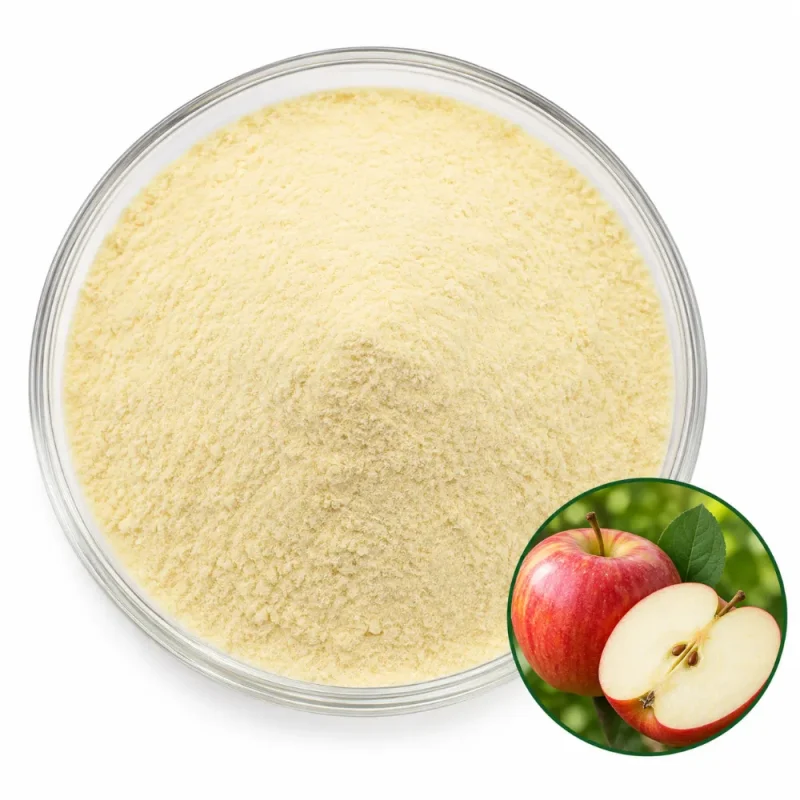
Pressed apple juice from the cultivated apple tree, Malus domestica, is concentrated and spray-dried onto a maltodextrin carrier to give this light yellow, sweet-tart powder. The raw material is the juice of the ripe fruit, so the peel residue, seeds and core stay out of the material.

Apple powder is water soluble and has a mild, clean sweetness with a soft malic acidity and a fresh, cooked-apple aroma. It differs from apple cider vinegar powder, which is a fermented, acetic product, and from freeze-dried apple powder, which keeps the pulp and fiber of the whole fruit.

Apple Juice Powder Processing

The species is Malus domestica (Suckow) Borkh., family Rosaceae, the cultivated apple that descends from wild Central Asian apples. Crab apples and the European wild apple, Malus sylvestris, are related species with smaller, more sour fruit, and they are not the source of this powder. Hundreds of cultivars exist, and the juice from each carries its own sugar and acid balance.

The raw material is apple juice concentrate. The ripe fruit is pressed, the juice is concentrated, the concentrate is mixed with maltodextrin, and the mixture is spray-dried to a fine powder. The carrier keeps the sticky fruit sugars from fusing, so the powder flows and dissolves, and it lowers the sweetness per gram compared with the juice solids alone.

Pressing and clarification remove most of the skin tissue and fiber, so the juice powder is smooth and light in color. Fresh apple flesh browns quickly in air because of polyphenol oxidase, but the juice powder is already past that stage, and its pale yellow tone is stable in dry storage.
Apple Flavor, Color & Forms

Apple powder is light yellow to cream, dissolves into a clear to lightly hazy pale yellow liquid and has an approachable apple taste: sweet first, then softly tart. Malic acid is the dominant acid of the fruit, and a mild apple aroma comes with it. The profile is gentler than the berry and citrus powders, so it works as a base that other fruits can sit on.

Apples are known for polyphenols such as chlorogenic acid, procyanidins and quercetin glycosides, and for dihydrochalcones such as phloridzin, named here as traits of the fruit and not as levels in this powder. Polyphenols darken slowly on contact with iron, so stainless steel equipment is preferred.

FormWhat It IsChoose It When
Apple Juice PowderSpray-dried apple juice on a maltodextrin carrierA soluble, mild fruit powder for drinks and bases
Apple Cider Vinegar PowderDried fermented apple product with a sour, acetic profileA vinegar-type sour note is wanted, not fruit sweetness
Freeze-Dried Apple PowderFreeze-dried whole apple that keeps pulp and fiberFruit texture and fiber are wanted

The juice powder is the form for clear, sweet-tart products; the vinegar powder is a seasoning-type ingredient; and the freeze-dried powder is the form for snacks, cereals and bars in which the whole fruit is visible.

Apple powder is also the most neutral of the apple forms. Where vinegar powder pulls a recipe toward savory and the freeze-dried powder adds visible fruit and fiber, the juice powder dissolves, tints lightly and sweetens, which makes it easy to dose and to combine with stronger fruit powders.

Typical Specifications

Specification ItemProduct Information
Latin NameMalus domestica
Plant PartFruit & Berry
ProcessingSpray-Dried Juice
Common NameApple
Raw MaterialApple juice concentrate
Ingredient TypeJuice Powder
CarrierMaltodextrin
AppearanceLight Yellow powder
FlavorSweet-tart, mild malic acidity, cooked-apple aroma
Solubility / DispersibilityWater Soluble
Quality Parameters
Moisture (LOD)≤5.0%
Heavy MetalsLead ≤2 ppm · Arsenic ≤1 ppm · Cadmium ≤1 ppm · Mercury ≤0.1 ppm
MicrobiologyTPC ≤10,000 cfu/g · Yeast & Mold ≤1,000 cfu/g · E. coli Negative · Salmonella Negative/25 g
Shelf Life24 months in unopened original packaging, cool and dry storage

Application Areas

Instant drink and tea mixes

Apple powder dissolves in cold and hot water, so it forms the sweet-tart base of instant drink mixes, iced tea powders and hot apple-style beverages. Cinnamon, ginger and tea extracts pair well with it, and the soft acidity keeps the drink balanced.

Cereal and porridge mixes

Dry cereal and porridge mixes use apple powder for a gentle fruit sweetness. It disperses in warm milk or water, adds a pale color, and avoids the visible fruit pieces that would need rehydration, so a smooth texture is kept even in fine-textured recipes.

Bakery fillings and glazes

Fillings, glazes and crumb toppings accept the powder as a dry fruit component. It combines with oat, cinnamon and brown sugar, and the sugars brown quickly in the oven, so baking time and temperature are tested with the finished recipe.

Confectionery and gummies

Gummies and hard candies take apple powder as a mild fruit and acid component. The sugars add to the sweetness of the base, so total sugar is rebalanced in the formula, and the pale tint does not interfere with added colors.

Smoothie and shake bases

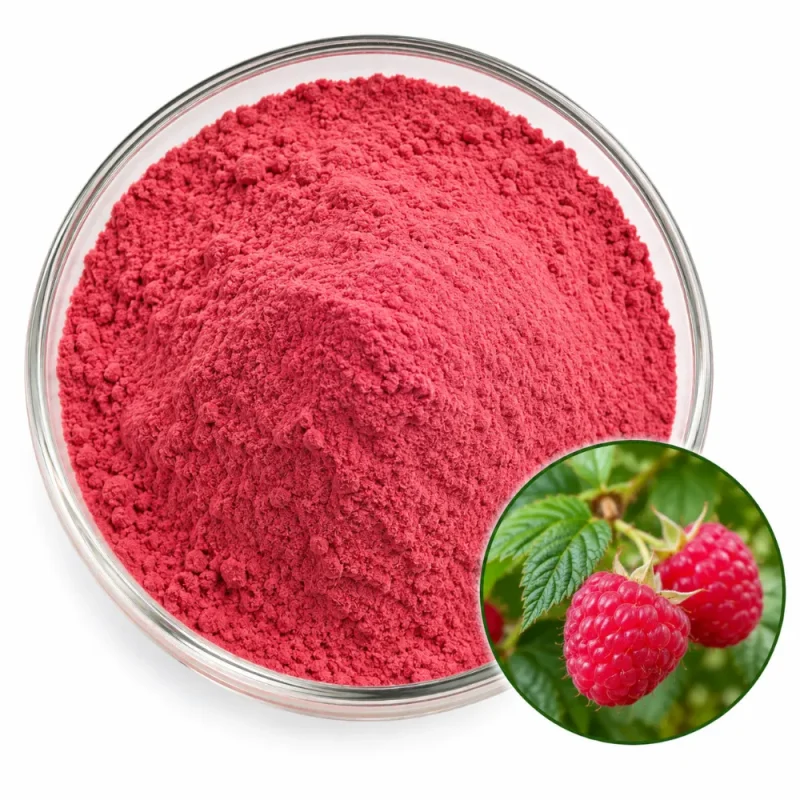
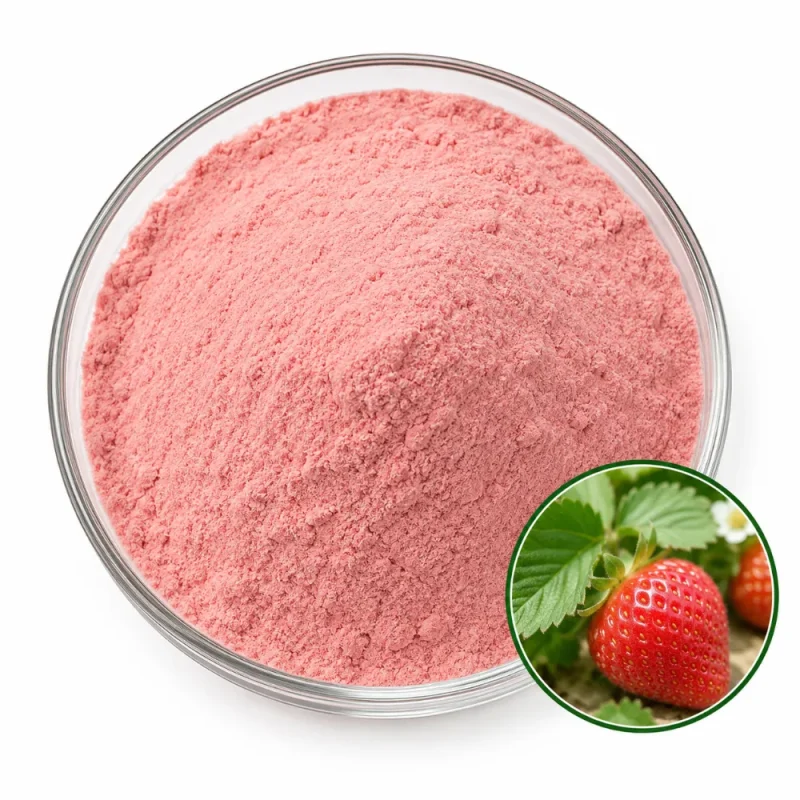
Smoothie bases use apple powder as a neutral-sweet carrier for stronger fruit powders. It softens tart berries and citrus, and it combines with Pineapple Powder for a sweet-sour tropical base. It dissolves without lumps when stirred in before the liquid is added.

Moisture Pickup & Stability

Apple juice solids are sugar-rich, and apple powder takes up water from room air readily. A pack left open in a humid room forms a sticky surface, the powder clumps within hours, and a hard cake can form at the bottom. Barrier liners, a dry weighing room and prompt closing of the pack keep apple powder loose and pourable.

Color stays stable in dry storage, but heat and moisture drive browning through sugar and amino reactions, and the powder turns from pale yellow to tan if it is stored warm for long periods. Opaque packs and a cool, dry store slow this change.

In liquids, the polyphenols darken on contact with iron and with alkaline ingredients, so stainless steel and trials at the finished pH are used. Opened containers are resealed at once, and a working container is used within a short period to limit moisture exposure of the main pack.

Packaging for apple powder is a sealed liner inside a carton, and each working container is filled in a dry room and closed at once. Powder that has been in a cold store is brought to room temperature before opening, since condensation on cold powder is a common cause of caking.

Packaging & Commercial Supply

Essencefield supports product evaluation, formulation trials, commercial orders, and ongoing ingredient supply. Packaging, storage, and shipping arrangements are determined by product characteristics, order quantity, stability requirements, and destination-market needs.

Supply ItemGeneral Information
SampleAvailable upon request for formulation, testing, and supplier evaluation
Order Quantities100 g · 1 kg · 5 kg · 25 kg · 100 kg · 500 kg · Bulk
Sample Lead TimeTypically 5–7 days after sample confirmation
Production Lead TimeTypically 15–30 days after order and specification confirmation
PackagingSuitable protective inner packaging with bags, cartons, drums, or other appropriate outer packaging
StorageStore in tightly sealed, suitable protective packaging in a cool, dry environment. Protect from moisture, heat, and direct sunlight. Specific storage conditions follow the approved product specification.
DocumentationCOA · Product Specification · TDS · SDS · Applicable declarations (as applicable)

Final order quantities, lead times, packaging, documentation, and shipping arrangements are confirmed according to the selected product and commercial requirements.

Request Ingredient Specifications & Quote

Share your target specification, application, quantity, and documentation needs. We’ll help confirm suitable options, samples, and commercial supply details.