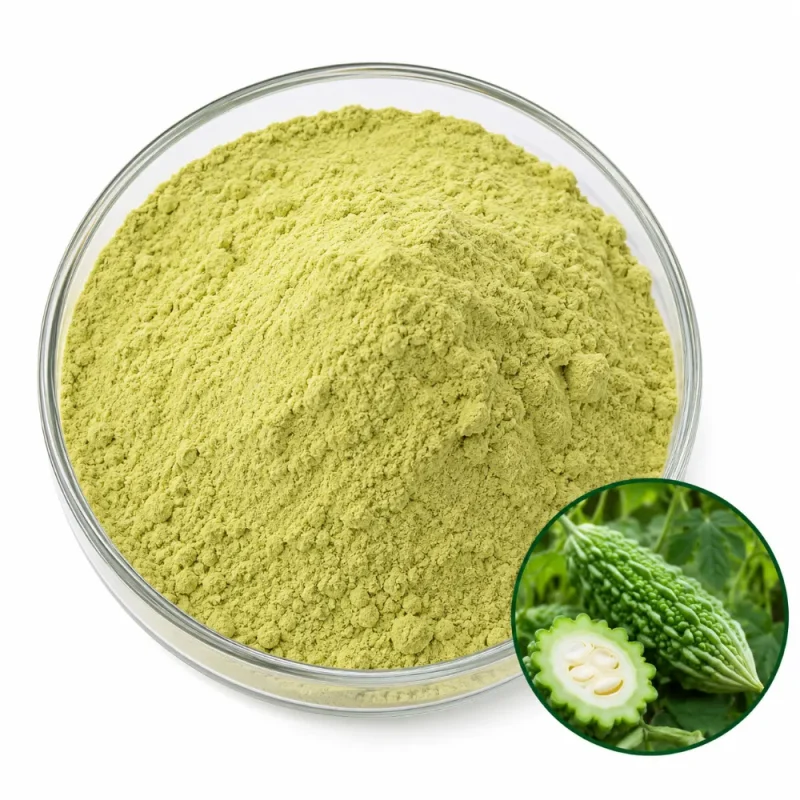
Bitter Melon Powder

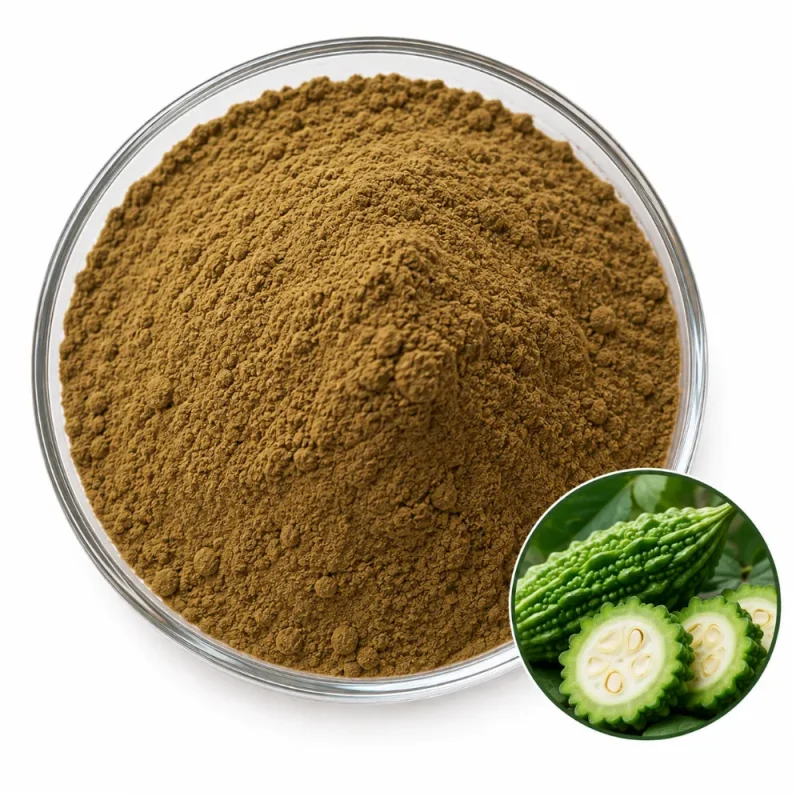
Immature green fruit of Momordica charantia is sliced, dried in warm air and milled to 80 mesh to give bitter melon powder. The powder is light yellow and tastes intensely bitter, with a green, slightly herbal background. Leaves, shoots, seeds and ripe orange fruit are separate materials.

Bitterness is the defining property of this vegetable, and the powder keeps it. Few plant foods are as consistently bitter, which is why the powder is used in small amounts and in recipes where the bitter note is part of the flavor, not a defect.

Dehydrated Bitter Melon Processing

The species is Momordica charantia L., the bitter melon or bitter gourd, a climbing vine of the gourd family (Cucurbitaceae) grown across Asia, Africa and the Caribbean. Two main types are traded: a long, pale green, warty Chinese type, and a slender, ridged, dark green Indian type. Both belong to one species. A related plant, Momordica cochinchinensis, the gac fruit, is a different species with a red aril and a different use.

The raw material is fresh immature bitter melon. Fruit is picked green and firm, with the white seed core and developing seeds, then washed, sliced, dried in warm air and ground to powder. Drying is the only step that changes the vegetable. The picking stage matters, since ripe fruit turns orange, softens and splits, with red-coated seeds, and is a different material from the green fruit used here.

Bitter melon is a warm-season crop, harvested repeatedly as fruit reaches size. The bitterness is strongest in young fruit and in the white core and seed zone, so powders that include the core are more bitter than powders made from peeled flesh. The cultivar mix and the share of core are not stated, so the powder is described by flavor and shade.

Heat drying does not remove bitterness, because the responsible compounds are stable. What drying changes is the green, vegetal freshness, and the powder reads as drier, more herbal and slightly roasted compared with raw juice.

Bitter Melon Color, Flavor & Composition

Bitter melon powder is light yellow with a green tint and forms a pale yellow-green suspension in water. The taste is strongly bitter, with a lingering aftertaste and a faint mineral sharpness. Bitterness is linked to cucurbitane-type triterpenoid glycosides, including momordicosides, which are named as constituents but are not a quantified feature here.

Other characteristic constituents are sterol glycosides often grouped as charantin, proteins and peptides, dietary fiber and a small share of sugars. No figure is given for any of them. Sweeteners and strong flavors mask the bitterness in finished foods, and fat and salt also soften it.

Tasters respond very differently to bitterness, and a dose that one panel finds pleasant another finds harsh. Product developers working with bitter melon powder usually build several inclusion levels and test them in the finished food with the target consumer, not in water.

FormWhat It IsChoose It When
Dehydrated Bitter Melon PowderHot-air dried and milled green fruitA whole-fruit, fiber-containing bitter base is wanted
Bitter Melon Juice PowderSpray-dried juice on a carrierA soluble, fiber-light bitter note is wanted
Bitter Melon Extract PowderRatio extract of the fruitA concentrated extract is specified
Bitter Melon Extract 0.5–1% CharantinCharantin-defined extractThe label names a charantin level

Typical Specifications

Specification ItemProduct Information
Latin NameMomordica charantia
Plant PartFruit & Berry
ProcessingDehydrated
Common NameBitter melon
Raw MaterialFresh bitter melon fruit
Ingredient TypeDehydrated Vegetable Powder
AppearanceLight Yellow powder (natural color of the dried material)
FlavorStrongly bitter, green, herbal
Solubility / DispersibilityWater Dispersible
Quality Parameters
Moisture (LOD)≤8.0%
Particle Size80 mesh
Heavy MetalsLead ≤2 ppm · Arsenic ≤1 ppm · Cadmium ≤1 ppm · Mercury ≤0.1 ppm
MicrobiologyTPC ≤10,000 cfu/g · Yeast & Mold ≤1,000 cfu/g · E. coli Negative · Salmonella Negative/25 g
Shelf Life24 months in unopened original packaging, cool and dry storage

Application Areas

Herbal Tea and Infusion Sticks

Traditional bitter melon teas use dried fruit slices, and the powder reproduces that taste in instant sticks. A small inclusion blended with green tea, chrysanthemum or licorice-style sweetness gives a balanced herbal drink in which the bitterness is a feature.

Savory Seasoning and Curry Mixes

South and Southeast Asian seasoning blends use bitter melon powder in small amounts in curries, stir-fry mixes and stuffed-vegetable recipes. The bitterness contrasts with sweet, sour and spicy notes, and salt, tamarind and jaggery all soften its edge.

Noodle and Dough Fortification

Noodle and flatbread makers add a modest share of bitter melon powder to flour for a green-yellow tint and an acquired flavor. The bitterness is carried through cooking, so the dose is kept low and tested in the cooked product.

Soup and Broth Bases

Dry soup bases use bitter melon powder to deliver the traditional bitter-sweet soup profile of Chinese pork-and-bitter-melon broths. Garlic, ginger and fermented black bean flavors balance the bitterness in the finished soup, and a small amount of sugar or dried date makes the broth rounder.

Snack Dusts and Plant-Based Mixes

Snack seasonings and plant-based vegetable mixes include bitter melon powder as an accent. It blends with salt, chili and garlic, and the green-herbal note rounds out savory profiles aimed at consumers who already know the vegetable.

Handling Notes

Bitter melon powder takes up moisture from humid air and clumps. Because the flavor is so strong, a moisture-damaged lot is easy to notice, with musty notes layering over the bitterness. Weigh in a dry room and reseal the liner after each draw.

The powder is intensely flavored and sticky in the nose, and its bitter dust lingers on equipment and in rooms. Closed transfer and dedicated scoops prevent carryover into sweet products, where trace bitterness is quickly noticed. Wash tools thoroughly after use.

Color moves from light yellow-green toward tan with light, heat and age. Sealed, opaque packaging in a cool store holds the shade. The bitterness itself is stable, so the main change in aged powder is a loss of fresh green character and the arrival of a stale, hay-like note.

Bitter melon powder dusts easily and the bitter taste carries to hands, tools and clothing. Staff handling it should wash scoops and surfaces after use, and sweet products should not share open lines with it on the same shift.

Packaging & Commercial Supply

Essencefield supports product evaluation, formulation trials, commercial orders, and ongoing ingredient supply. Packaging, storage, and shipping arrangements are determined by product characteristics, order quantity, stability requirements, and destination-market needs.

Supply ItemGeneral Information
SampleAvailable upon request for formulation, testing, and supplier evaluation
Order Quantities100 g · 1 kg · 5 kg · 25 kg · 100 kg · 500 kg · Bulk
Sample Lead TimeTypically 5–7 days after sample confirmation
Production Lead TimeTypically 15–30 days after order and specification confirmation
PackagingSuitable protective inner packaging with bags, cartons, drums, or other appropriate outer packaging
StorageStore in tightly sealed, suitable protective packaging in a cool, dry environment. Protect from moisture, heat, and direct sunlight. Specific storage conditions follow the approved product specification.
DocumentationCOA · Product Specification · TDS · SDS · Applicable declarations (as applicable)

Final order quantities, lead times, packaging, documentation, and shipping arrangements are confirmed according to the selected product and commercial requirements.

Request Ingredient Specifications & Quote

Share your target specification, application, quantity, and documentation needs. We’ll help confirm suitable options, samples, and commercial supply details.