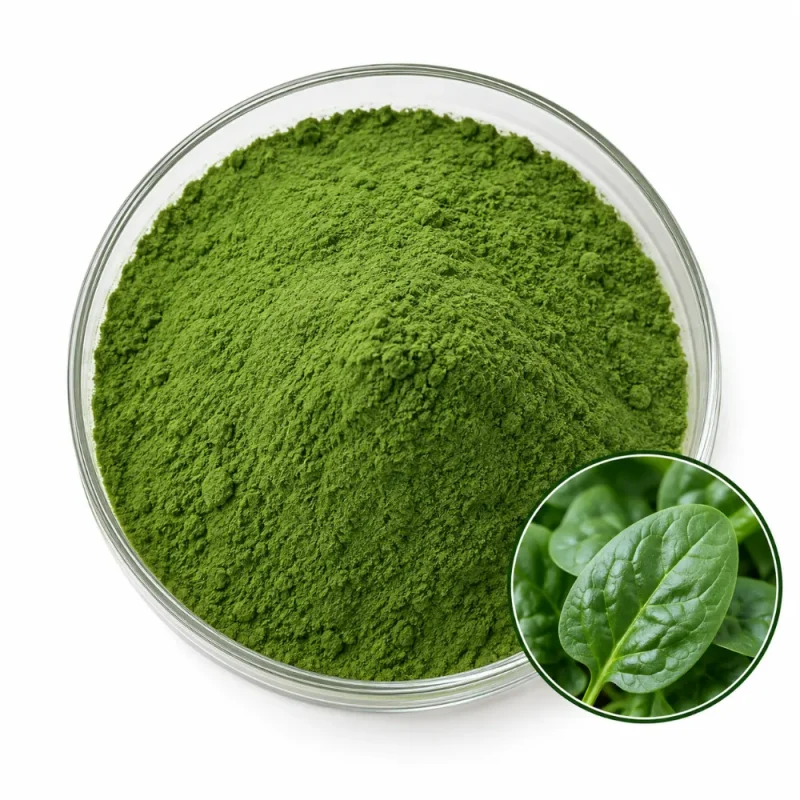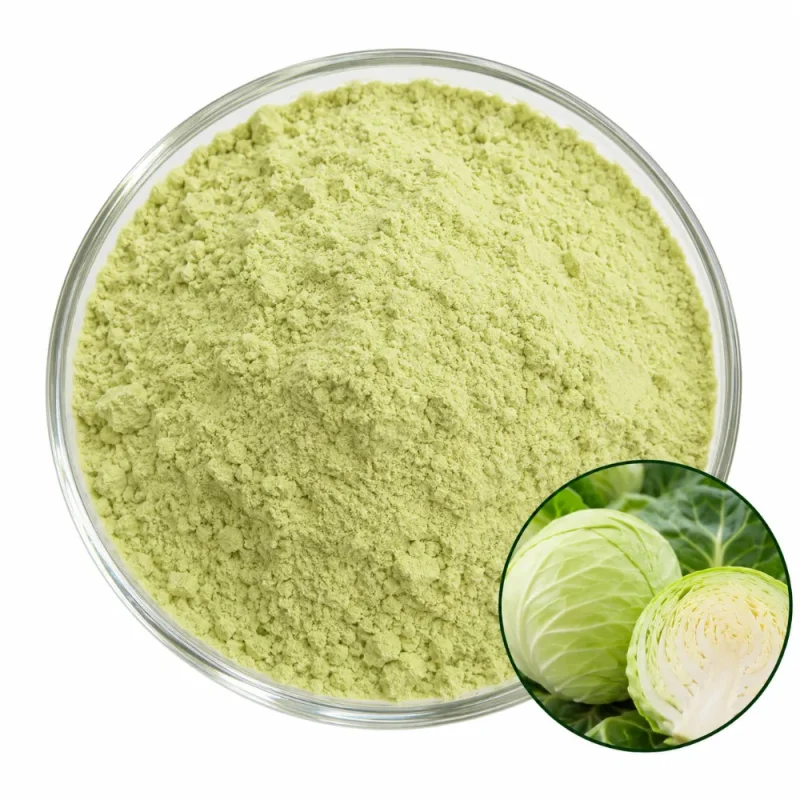
Cabbage Powder

Leaves of green head cabbage, Brassica oleracea var. capitata, are shredded, dried in warm air and milled to 80 mesh to give cabbage powder. The powder is green with a pale, yellowish cast and tastes mild, slightly sweet and sulfurous, like cooked cabbage. Roots, seeds and the red-headed group are separate materials.

Green cabbage is the unpigmented, mild member of the head-cabbage group. Its powder is a savory vegetable base, valued for aroma and fiber and not for color, which sets it apart from the purple red powder of the same species.

Dehydrated Cabbage Processing

The botanical entity is Brassica oleracea var. capitata L., the head cabbage group, which also includes savoy and white cabbage types. Red cabbage is the same group in a pigmented form, and broccoli, kale, cauliflower and kohlrabi are other groups of the same species. The part used is the tight leaf head, trimmed of its coarse outer leaves and stem core.

The raw material is fresh green cabbage leaf. Heads are cored, shredded, dried in warm air and ground. Drying is the only step that changes the vegetable, and the powder keeps the fiber, sugars and sulfur flavor precursors of the head. Heat stops the enzyme that creates sharp mustard-oil compounds from glucosinolates, so the powder tastes of cooked cabbage, mild and slightly sweet.

Cabbage is a hardy cool-season crop, and its sweetness rises in cold weather. Autumn-harvested heads are sweeter and milder than summer ones, and they store for months in cool rooms. Variety names are not given; the powder is described by its character.

Sulfur compounds define cabbage flavor. Some, such as methyl methanethiosulfinate and related compounds, form during cooking and give cooked cabbage its characteristic smell. Prolonged heat can generate stronger, unpleasant notes, which is why the powder is dried gently and why overcooked cabbage smells harsh.
Cabbage Color, Flavor & Composition

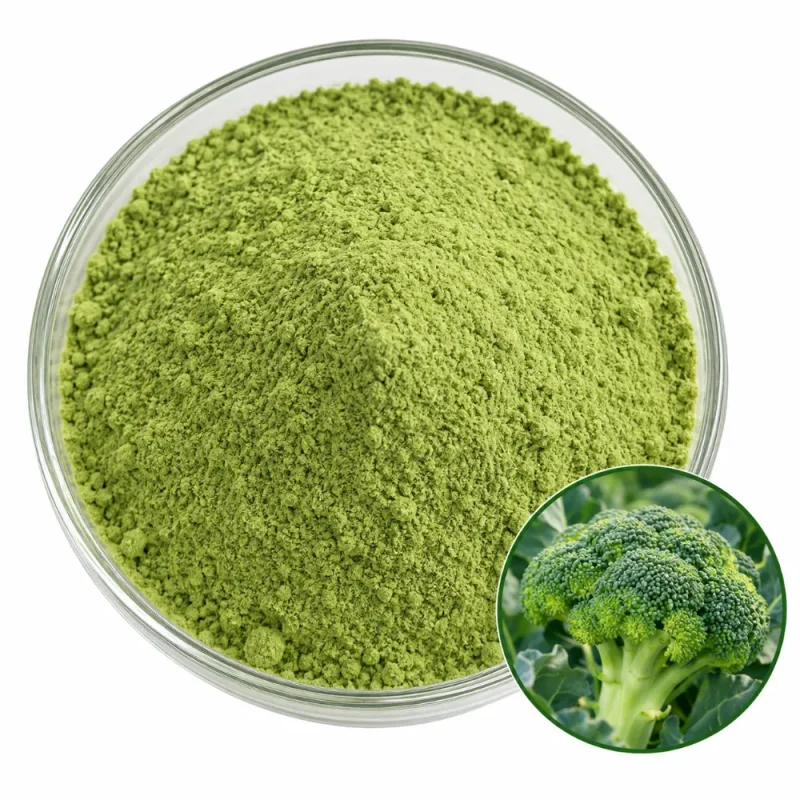
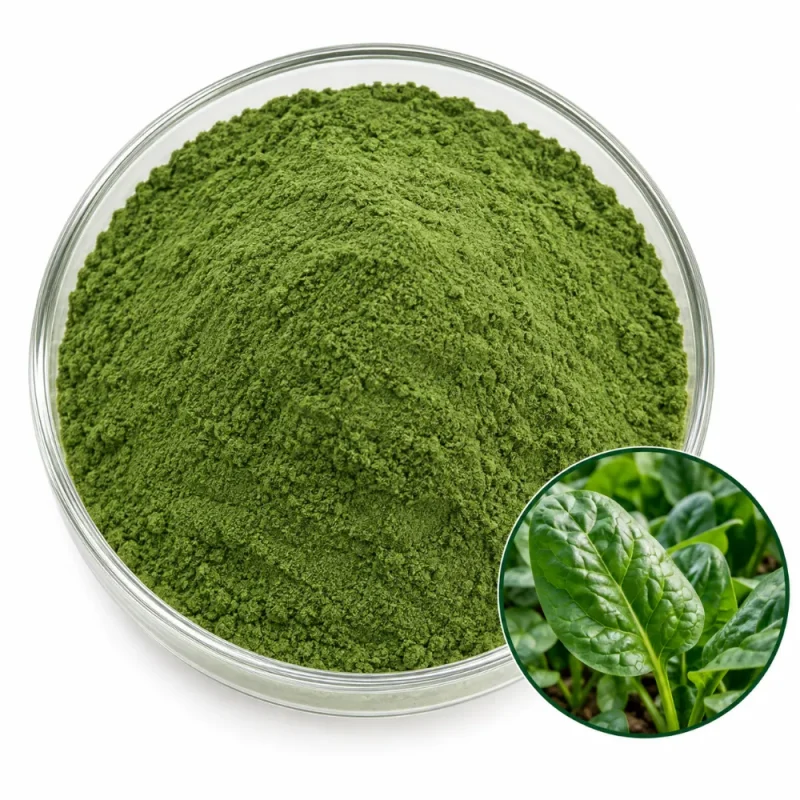
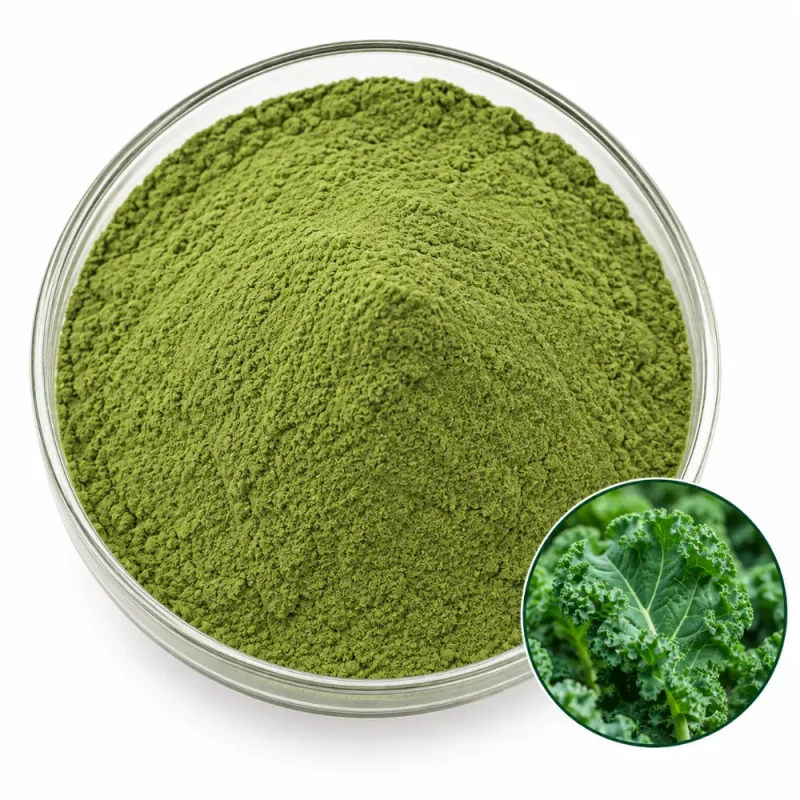
Cabbage powder is a pale green to cream, and it forms a pale, cloudy suspension in water. The flavor is mild and savory with a faint sweetness and a clean sulfur edge that rounds out other vegetables. Compared with broccoli or kale powders, the taste is gentler and less bitter, which makes cabbage a good bulking vegetable in mixed blends.

Characteristic constituents are fiber, sugars, glucosinolates, vitamin C and minerals. No figure is given for any of them. Because there is little pigment, the powder is a flavor and texture ingredient, and it mixes into light-colored foods without tinting them.

Compared with broccoli or kale powders, cabbage powder is the quiet member of the brassica family. It has little bitterness and no strong green color, so it can be used at higher levels as a vegetable base without dominating a recipe.

FormWhat It IsChoose It When
Dehydrated Cabbage PowderHot-air dried and milled green head leafA pale, mild cabbage base is wanted
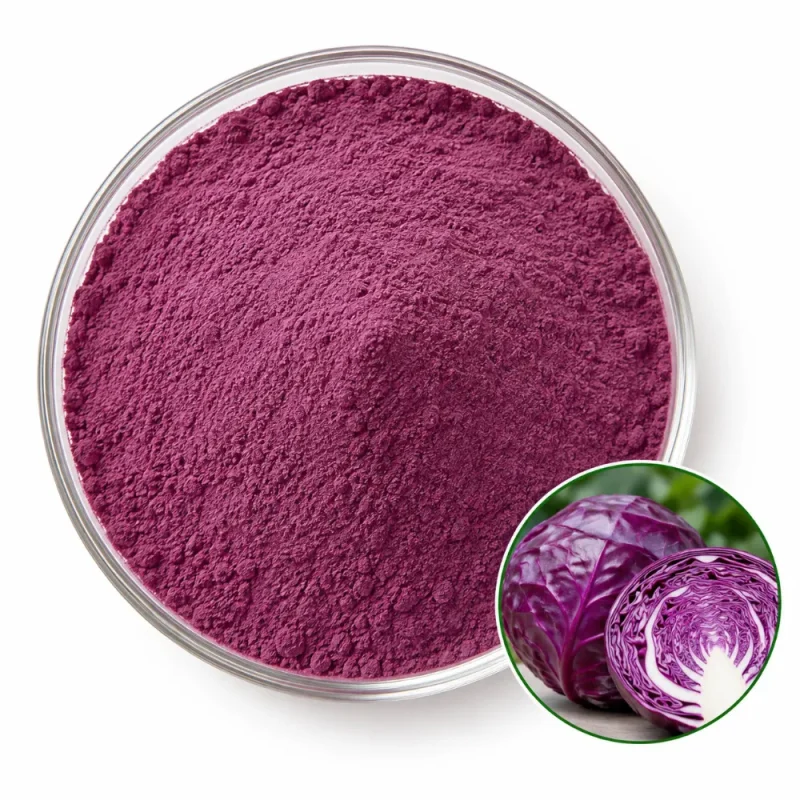
Red Cabbage PowderDehydrated red-headed cabbageA purple red, pH-responsive color is wanted
Red Cabbage Juice PowderSpray-dried juice from red cabbageA soluble purple red color is wanted

Typical Specifications

Specification ItemProduct Information
Latin NameBrassica oleracea var. capitata
Plant PartLeaf & Herb
ProcessingDehydrated
Common NameCabbage
Raw MaterialFresh green cabbage leaf
Ingredient TypeDehydrated Vegetable Powder
AppearanceGreen powder (natural color of the dried material)
FlavorMild, savory, lightly sweet
Solubility / DispersibilityWater Dispersible
Quality Parameters
Moisture (LOD)≤8.0%
Particle Size80 mesh
Heavy MetalsLead ≤2 ppm · Arsenic ≤1 ppm · Cadmium ≤1 ppm · Mercury ≤0.1 ppm
MicrobiologyTPC ≤10,000 cfu/g · Yeast & Mold ≤1,000 cfu/g · E. coli Negative · Salmonella Negative/25 g
Shelf Life24 months in unopened original packaging, cool and dry storage

Application Areas

Dumpling, Spring Roll and Bun Fillings

Dry filling mixes for dumplings, spring rolls and buns use cabbage powder to supply the sweet-savory cabbage base with little moisture. It rehydrates in the filling’s own juices, and its mild sulfur note matches pork, ginger and soy flavors in traditional recipes.

Instant Noodle and Soup Mixes

Instant noodle seasoning and soup bases include cabbage powder for vegetable sweetness and body. It dissolves into hot broth with a pale cloud, and its mild flavor rounds the salt and umami of the seasoning without a strong vegetable note.

Slaw Dressing and Salad Premixes

Dry coleslaw dressing premixes use cabbage powder to reinforce the cabbage flavor when the shredded vegetable is added at the point of use. It blends with sugar, vinegar powder and mustard, and the fine texture disperses smoothly into creamy dressings.

Savory Snack and Cracker Seasonings

Snack makers dust cabbage powder on crackers and rice snacks with onion, garlic and salt. The mild, cooked flavor works in savory blends without pushing the product toward green, and the powder sticks well to oiled surfaces.

Plant-Based Patty and Fritter Mixes

Plant-based patties, fritters and vegetable cakes use cabbage powder for fiber, moisture binding and a gentle vegetable background. Its pale tone does not tint the patty, and its mild flavor leaves room for spices and herbs.

Handling Notes

Cabbage powder is hygroscopic and takes up water from humid air. It cakes into soft lumps that harden into a crust at the drum surface, and the fibrous particles hold water unevenly. Weigh in a dry room and reseal the liner after each draw.

The sulfur aroma is the main storage risk. Warm, humid conditions strengthen cabbage-like off-notes, and the smell migrates to neighboring ingredients. Keep the drum tightly closed, store it away from delicate flavors and use opened bags within a short window.

The pale color darkens toward tan with heat, light and long storage, and sulfur compounds react with copper and iron to give dull tones. Stainless steel tools and a cool store keep the powder close to its received appearance, and acidic dry mixes accelerate color change once moisture enters.

Because cabbage powder is mild, any off-odor from storage stands out. A faint sour or rotten-cabbage smell means moisture has entered the drum and sulfur compounds have begun to form, and the lot should be set aside instead of blended into product.

Packaging & Commercial Supply

Essencefield supports product evaluation, formulation trials, commercial orders, and ongoing ingredient supply. Packaging, storage, and shipping arrangements are determined by product characteristics, order quantity, stability requirements, and destination-market needs.

Supply ItemGeneral Information
SampleAvailable upon request for formulation, testing, and supplier evaluation
Order Quantities100 g · 1 kg · 5 kg · 25 kg · 100 kg · 500 kg · Bulk
Sample Lead TimeTypically 5–7 days after sample confirmation
Production Lead TimeTypically 15–30 days after order and specification confirmation
PackagingSuitable protective inner packaging with bags, cartons, drums, or other appropriate outer packaging
StorageStore in tightly sealed, suitable protective packaging in a cool, dry environment. Protect from moisture, heat, and direct sunlight. Specific storage conditions follow the approved product specification.
DocumentationCOA · Product Specification · TDS · SDS · Applicable declarations (as applicable)

Final order quantities, lead times, packaging, documentation, and shipping arrangements are confirmed according to the selected product and commercial requirements.

Request Ingredient Specifications & Quote

Share your target specification, application, quantity, and documentation needs. We’ll help confirm suitable options, samples, and commercial supply details.