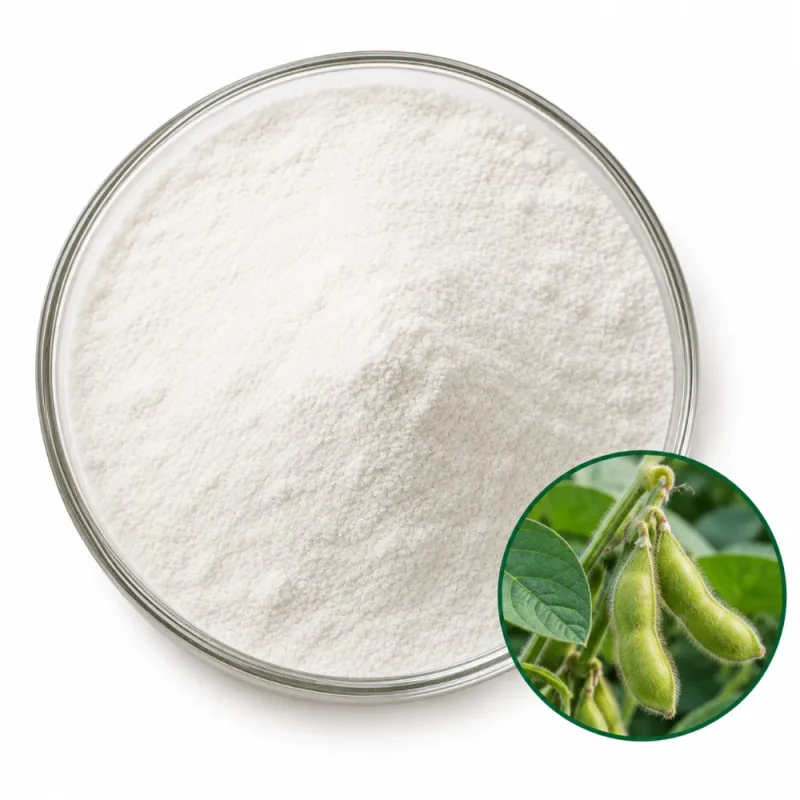
2,4-Dihydroxybenzoic Acid 98%

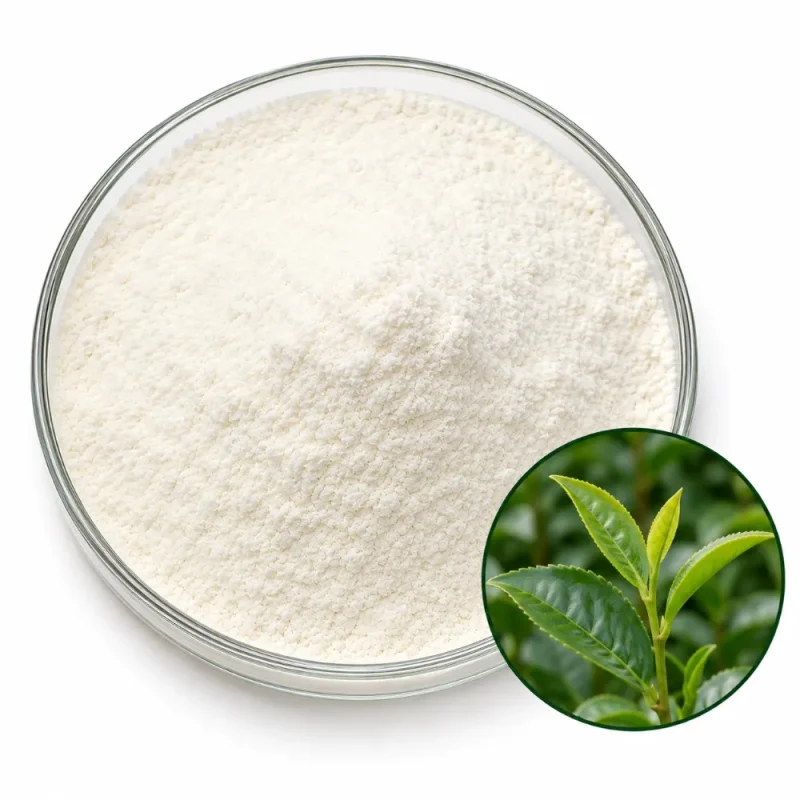
Better known as beta-resorcylic acid, 2,4-dihydroxybenzoic acid is isolated here from the leaf of Camellia sinensis by ethanol extraction and purification. It is a small phenolic acid, a benzoic acid with hydroxyl groups at positions 2 and 4, and it is a slightly water soluble, off-white powder.

The primary grade is 98% 2,4-dihydroxybenzoic acid by HPLC, in Food / Dietary Supplement Grade. The positions of the two hydroxyl groups are the identity, because six dihydroxybenzoic acids exist with the same formula and weight, and they are different compounds with different behavior.

2,4-Dihydroxybenzoic Acid Chemical Identity

2,4-Dihydroxybenzoic acid has the molecular formula C7H6O4 and the molecular weight 154.1. The ring carries a carboxylic acid group at position 1, a hydroxyl ortho to it at position 2, and a second hydroxyl para to the acid at position 4. The ortho hydroxyl forms an internal hydrogen bond with the carboxyl group, as in salicylic acid, which raises its acidity compared with the 4-hydroxy isomer and shapes its solubility. The 2,4 pattern is that of a resorcinol, meaning that the two hydroxyls sit in a 1,3 relationship on the ring.

The five other isomers include protocatechuic acid, the 3,4-isomer, and gentisic acid, the 2,5-isomer, and a name that omits the locants can refer to any of them. The natural source here is the leaf of Camellia sinensis (L.) Kuntze, in which simple phenolic acids occur beside catechins, flavonols and caffeine. 2,4-Dihydroxybenzoic acid is not a major tea constituent, and it is also produced industrially from resorcinol, so the source statement belongs next to the name. Tea is supplied in other forms: Green Tea Extract 40–98% Polyphenols, Black Tea Extract 10–40% Theaflavins and the 10:1 Green Tea Extract Powder. The 3,4-isomer is supplied as 3,4-Dihydroxybenzoic Acid 98%. The name beta-resorcylic acid reflects the resorcinol pattern of the two hydroxyls, and it is the most common alternative name for this isomer in older literature and in trade listings.

Typical Specifications

Specification ItemProduct Information
Natural SourceCamellia sinensis leaf
Plant PartLeaf & Herb
ProcessingEthanol Extraction & Purification
Compound ClassPolyphenols
Chemical Name (IUPAC)2,4-dihydroxybenzoic acid
CAS Number89-86-1
Molecular FormulaC7H6O4
Molecular Weight154.12
PubChem CID1491
InChIKeyUIAFKZKHHVMJGS-UHFFFAOYSA-N
SMILESC1=CC(=C(C=C1O)O)C(=O)O
Purity98% (HPLC)
GradeFood / Dietary Supplement Grade
AppearanceOff-White powder
Solubility / DispersibilitySlightly Soluble in Water
Quality Parameters
Moisture (LOD)≤5.0%
Total Ash≤5.0%
Heavy MetalsLead ≤2 ppm · Arsenic ≤1 ppm · Cadmium ≤1 ppm · Mercury ≤0.1 ppm
MicrobiologyTPC ≤1,000 cfu/g · Yeast & Mold ≤100 cfu/g · E. coli Negative · Salmonella Negative/25 g
Shelf Life24 months in unopened original packaging, cool and dry storage

2,4-Dihydroxybenzoic Acid Purity Grades & Impurities

The 98% figure is an HPLC result that compares the 2,4-dihydroxybenzoic acid peak with the other detected peaks, usually at a wavelength near 255 nm where the dihydroxybenzoate chromophore absorbs. It leaves out water, ash and components that do not absorb, so the moisture and ash limits in the table are read beside it. No second grade is listed.

The central question for a small phenolic acid is isomer purity. The other dihydroxybenzoic acids share the formula and weight, and their peaks differ mainly in retention, so the method must resolve at least the 2,3, 2,5, 2,6, 3,4 and 3,5 isomers from 2,4-dihydroxybenzoic acid. The 3,4-isomer, protocatechuic acid, is the most likely to carry through from a tea source, while a synthetic route from resorcinol leaves different traces. A report that shows a clean main peak with no neighbors at the isomer retention times is the evidence of identity.

The second characteristic impurity is resorcinol. 2,4-Dihydroxybenzoic acid loses carbon dioxide readily when heated, especially in solution, and the product is resorcinol, so a lot that has been dried too hot or kept warm will show a resorcinol peak and a lower acid content. For this reason the powder is dried gently, stored cool, and checked for loss on drying. Related hydroxybenzoic acids such as 4-hydroxybenzoic acid and salicylic acid may appear at trace level.

A clean lot of 2,4-dihydroxybenzoic acid looks white to off-white. A tan or pink tint suggests oxidation of the resorcinol ring or traces of tea pigment, and moisture and ash are limited separately in the table.

2,4-Dihydroxybenzoic Acid Solubility & Delivery

2,4-Dihydroxybenzoic acid is slightly soluble in cold water, more soluble in hot water, and soluble in ethanol, methanol and acetone. The ortho hydroxyl and the carboxyl group are internally hydrogen bonded, which reduces interaction with water, and the 4-hydroxyl adds polarity. It dissolves better above its pKa as the carboxylate, so a mildly alkaline stock dissolves it quickly, although the free acid is what this product supplies.

Delivery of 2,4-dihydroxybenzoic acid turns on heat sensitivity. The molecule decarboxylates in hot solution, and a long hot hold in a drink base converts a measurable share to resorcinol, so thermal steps are kept short and the acid is added late in the process. A mildly acidic pH keeps the acid un-ionized and slows oxidation, while a chelating agent counters traces of iron, which form colored complexes with salicylate-type acids. In dry blends the powder is stable if sealed and dry, and a premix with a dry carrier gives accurate small weights.

Application Areas

Capsule Fills at Low Inclusion

Capsules take 2,4-dihydroxybenzoic acid at small weight. The fine, slightly cohesive powder benefits from a flow agent and a sieved premix, and a cool, dry filling room avoids the slow decarboxylation that warm storage would cause.

Cool-Fill Drink Concentrates

Concentrates dissolve 2,4-dihydroxybenzoic acid in warm water, then cool before filling. Keep the pH mildly acidic, add a chelating agent where hard water is used, and avoid long hot holds, because heat turns the acid into resorcinol.

Stick Pack Premixes

Sticks carry 2,4-dihydroxybenzoic acid in dry premixes with a sweetener and a fruit acid. Iron in some mineral fillers forms a violet complex with the ortho-hydroxy acid, so mineral premixes are kept apart and the final blend is checked for color.

Phenolic Acid Reference Blends

Formulators and analysts build blends of hydroxybenzoic acids to test isomer resolution. Each acid is weighed on its own, the standard is stored dry and cool, and a retained sample of each lot keeps the retention-time record.

Tablet Blends With Dry Binders

Tablets press 2,4-dihydroxybenzoic acid with a dry binder and a lubricant. The powder compacts adequately, but warm compression can trigger loss of carbon dioxide, so press-room temperature and a hardness check after storage are part of the trial.

Packaging & Commercial Supply

Essencefield supports product evaluation, formulation trials, commercial orders, and ongoing ingredient supply. Packaging, storage, and shipping arrangements are determined by product characteristics, order quantity, stability requirements, and destination-market needs.

Supply ItemGeneral Information
SampleAvailable upon request for formulation, testing, and supplier evaluation
Order Quantities100 g · 1 kg · 5 kg · 25 kg · 100 kg · 500 kg · Bulk
Sample Lead TimeTypically 5–7 days after sample confirmation
Production Lead TimeTypically 15–30 days after order and specification confirmation
PackagingSuitable protective inner packaging with bags, cartons, drums, or other appropriate outer packaging
StorageStore in tightly sealed, suitable protective packaging in a cool, dry environment. Protect from moisture, heat, and direct sunlight. Specific storage conditions follow the approved product specification.
DocumentationCOA · Product Specification · TDS · SDS · Applicable declarations (as applicable)

Final order quantities, lead times, packaging, documentation, and shipping arrangements are confirmed according to the selected product and commercial requirements.

Request Ingredient Specifications & Quote

Share your target specification, application, quantity, and documentation needs. We’ll help confirm suitable options, samples, and commercial supply details.